
“War never changes” was immortalised by Ron Perlman in the original Fallout. It holds true for video game depictions of war as well. Video games often gloss over the worst elements of armed conflict, or what Dan Carlin of Hardcore History would call “the human experience.” The mud, the fear, the terrifying opportunism, and the blood.
I enjoy wargames. As simulations, but also as storytelling engines. But after absorbing this human experience through books and films, I wanted to explore two things as a design challenge: the human consequences of modern warfare, and gameplay that relied less on unit micromanagement and felt more like being a commander than being the soldiers’ snowplow parents.
This post goes through my research process, some surface of the development reasoning, and includes screenshots of the resulting prototype. It’s super rough and early, but it’s been an interesting experiment nonetheless.
If you have comments on it, feel free to drop a line at annander@gmail.com or comment the post.
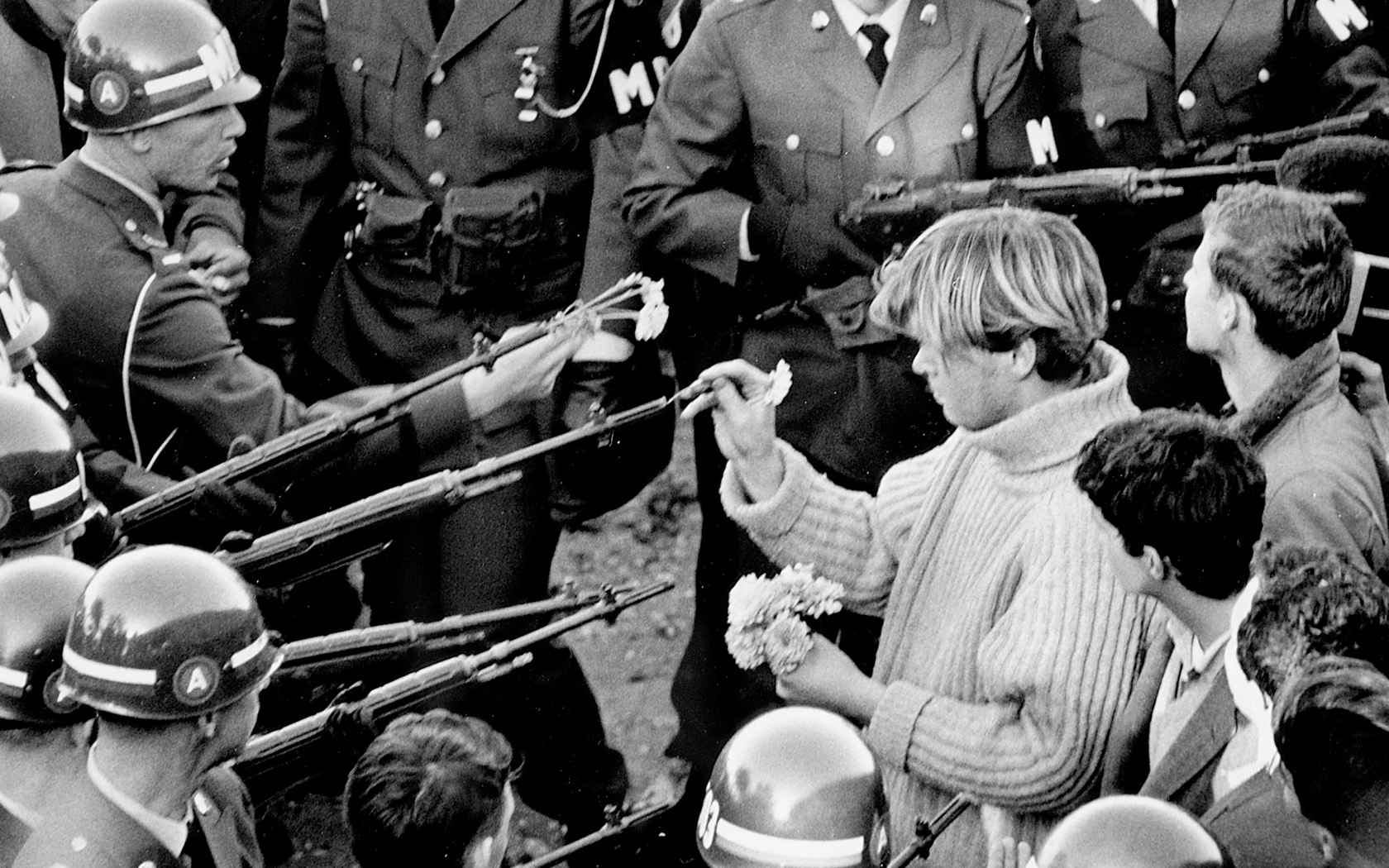
The Idea
This project started years ago and has survived as notes on my phone and in various text documents. At times, it was a large grand strategy concept, while at other times it was more focused on individual soldiers. Eventually, it matured into something more concrete. A kind of genre exploration that I’ve called high emergence, low micro.
High emergence, because there’s a deep and complex simulation running under the hood, leaving nothing to chance. But your view into this simulation is limited and flawed. If you lose contact with your units, you don’t get updated information. The idea was to represent an abstraction of how it is to be the commander, rather than making all the minute details that happen on the ground player-facing. The simulation is still the main source of truth, but it’s not intended to make the game complicated to play.
Low micro means you don’t control units or their decision making directly, and you have few second to second decisions to make. Most of your decisions are minute to minute, but carry significant weight.
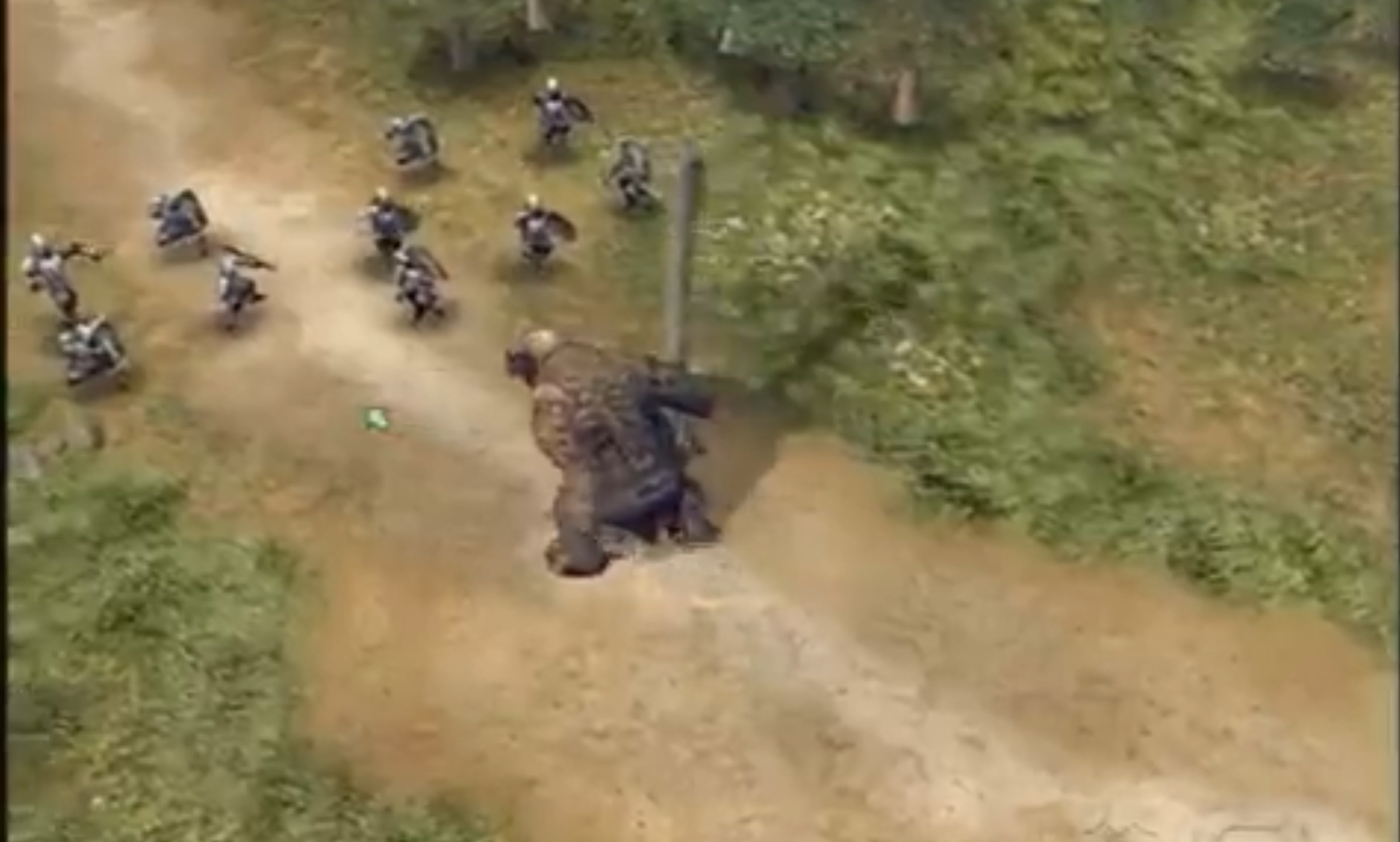
The human angle. At E3 2004, IGN snuck a peek at Lord of the Rings: Battle for Middle-earth. I still remember vividly how the mere presence of a troll made infantry flee in fear, screaming. Ever since watching that video, I’ve always wondered why so many strategy units need your constant hand-holding. Having units react dynamically to what’s happening in the simulation felt like it could be pushed much much farther.
Modern warfare. Lastly, the packaging for all of this would be modern warfare. The kind of warfare that is happening as I write this, in several places on the globe. If you’re one of those who say you don’t want politics in games, I’m sorry: violence, and war, has always been and will always be political. You can’t take another person’s life, sanctioned by a state military, without politics involved. It’s just that most games gloss it over, because “it’s just a game.”
I will go through all four of these in this post, both to illustrate the shape of my research, and then to finally talk about the game and how it works and plays!
Modern Warfare
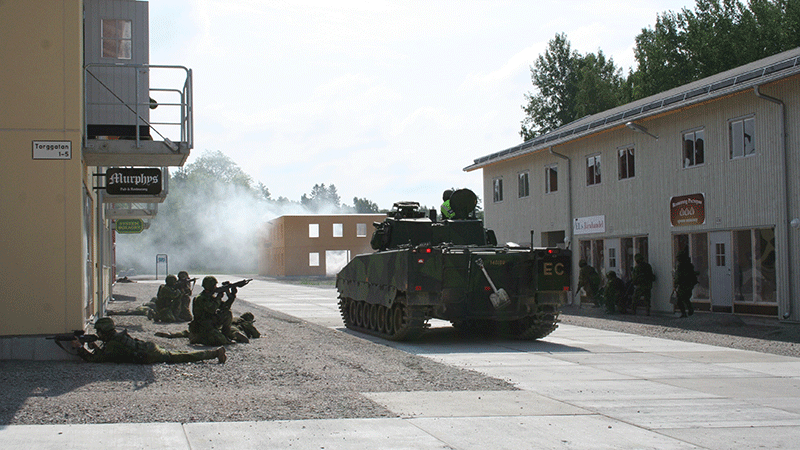
The Swedish military has published multiple editions of a guidebook for soldiers called Soldaten i Fält (“Soldier in the Field”), or simply SoldF. During my military service, the 2001 edition had one chapter that fascinated me: the one on urban warfare.
How to use explosives to improvise new paths through a building block, how to use your comrades as makeshift ladders, where to set up machine gun posts for maximum defense. Navigating the three dimensions of an urban war zone is a complicated task, made more so by enemy fire, booby traps, and urban asymmetry. Tanks need to be careful, since a soldier with an anti-tank rocket can hide in any window. Infantry needs to be careful, because the short distances involved mean that a hidden machine gun can wreak terrible havoc.
In a video analyzing the Battle of Antonov Airport, it was said that, in a typical modern engagement, the defender is at a 3 to 1 advantage. But in an urban war zone this is doubled, to a 6 to 1 advantage. Imagine the costs, in lives and resources, to fight a battle against someone with such an advantage. You may start understanding the rationale behind simply shelling a cityblock into rubble before you move your troops in to take it. You’re trading a 6 to 1 for a 3 to 1. Anyone who ever rolled on a combat resolution table knows what this means.
Stalingrad
While researching a con scenario where the players played German infantry sent to the terrible Battle of Stalingrad, I happened on Jason D. Mark’s books on the eastern front. Primarily the Swedish translation of Into Oblivion, and his big book on the fierce fighting over the Barrikady Tractor Factory, Island of Fire.
Mark’s description of Pionier-Bataillon 305’s harrowing experience has stayed with me, as have the images from the movie Stalingrad, and the many other depictions the battle has received in media. Walking barrages levelling whole cityblocks. Hand grenades to clear rooms, flame throwers to clear basements, and snipers and machine guns covering every open piece of ground. Enemies taking potshots from piles of debris you thought you cleared an hour ago. But something was always missing, or at least not depicted as often.
Where are the civilians?
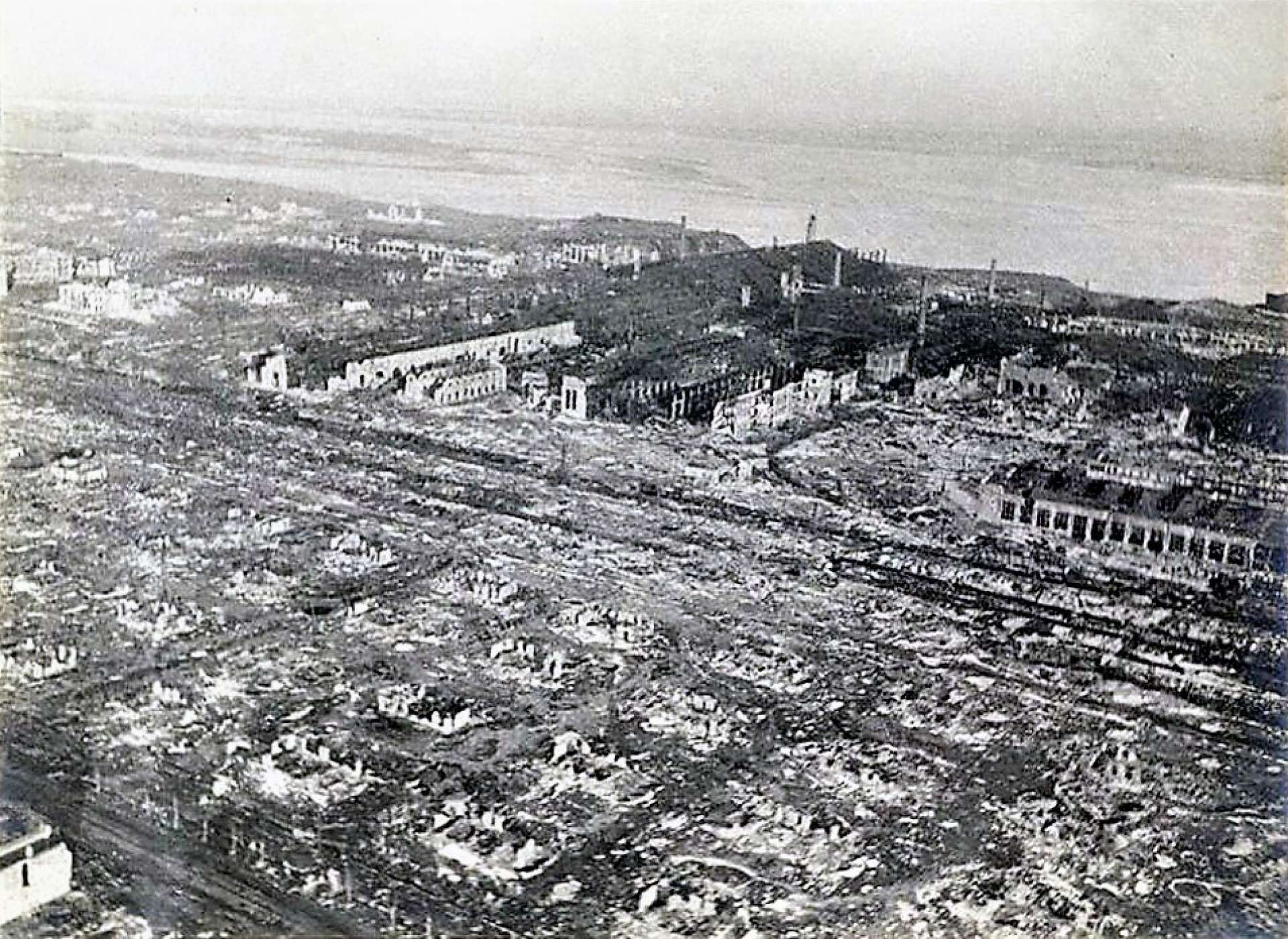
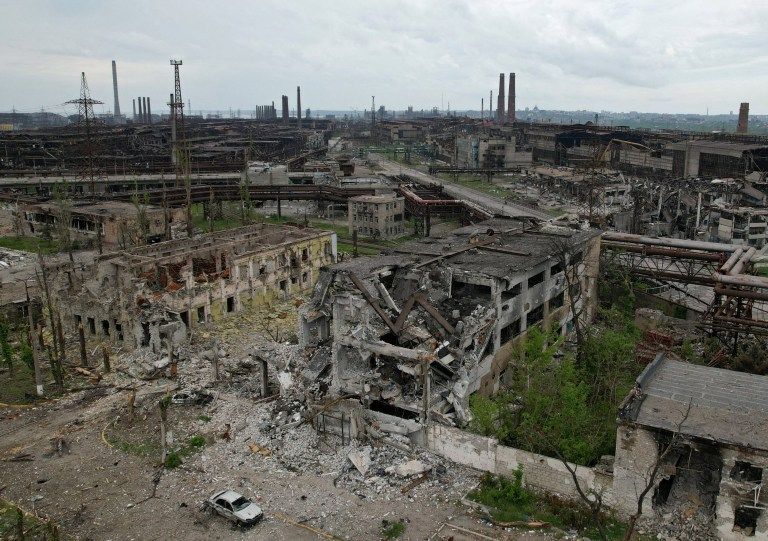
War is hell, and also statistics. The Battle of Stalingrad is no different. “Estimates of civilian deaths range from about 40,000 to up to 235,000. Stalingrad was almost entirely destroyed, with 99% of the city being considered ‘rubble’ by February 1943.”
The high number is more than five times the lower number. That’s a discrepancy of epic proportions, and an indication that no one really paid much attention to the inhabitants of the ruins they were fighting over.
Cityfight
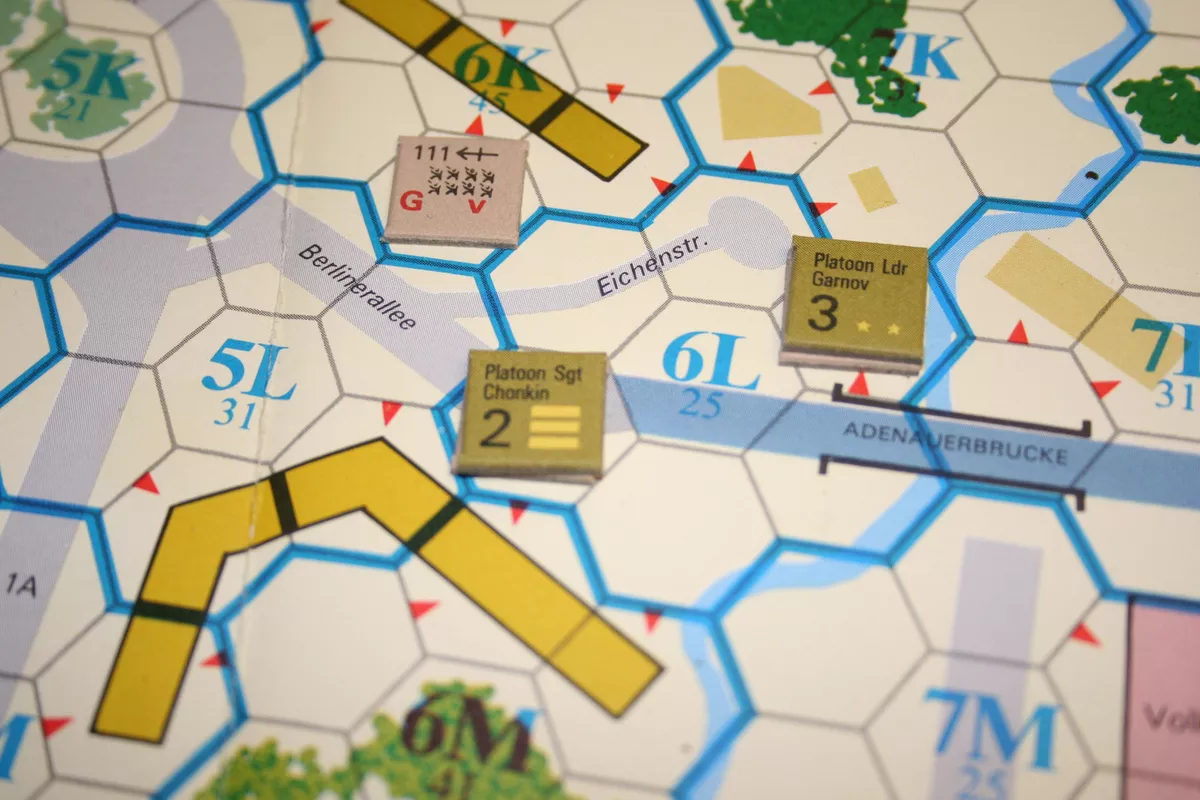
One of my favorite wargames depicting urban warfare is Cityfight, from 1979. Published in an era where the most likely war seemed a Cold War turned hot, it packs maps of a fictional West German town that can also act as a general city map. Scenarios range from WP/NATO engagements to a Soviet attack on Chinese oil fields in Taching.
The rules heavily emphasize the importance of spotting and prediction, as well as the defensibility of buildings. Rules for sappers and engineers are central. Breaching to create new paths through buildings, and high buildings blocking artillery trajectories. Cityfight is a complex game and requires an umpire to be played at full effect due its double-blind spotting rules, but it provides a detailed glimpse into all layers of urban warfare. Particularly the high degree of uncertainty, and how you must make many decisions based on partial information.
Like SPI often did, this game also comes packed with designer’s notes and an in-depth article on urban warfare. These notes mention establishment of no-fire zones for protecting civilians, the risks of looting (for both sides), and more. It does a decent job of presenting the complexities of the urban war zone, as well as telling you that if you walk into the open street and get spotted, you’re dead. Small arms and grenades are made much more effective by the short distances involved.
Urban Warfare
Contemporary warfare seems to gravitate towards long bloody grinds that turn cities into rubble. In his book, Urban Warfare In the Twenty-First Century, Anthony King offers an explanation as to why we end up in cities.
“In the twenty-first century, armies are no longer big enough to form the dense fronts which characterized wars in the twentieth century. […] Forces therefore converged on urban areas, often intrinsically insignificant ones, for operational and tactical reasons.”
Cities are more defensible and contain important infrastructure and power centers that are often key objectives for a military operation. The defender wants to retain control over the resources and supplies that makes its society and war machine function, while the attacker wants to deny the same. Since war is ultimately about logistics, a railway hub becomes of key operational importance, and such hubs are generally located in built-up areas.
QUICK
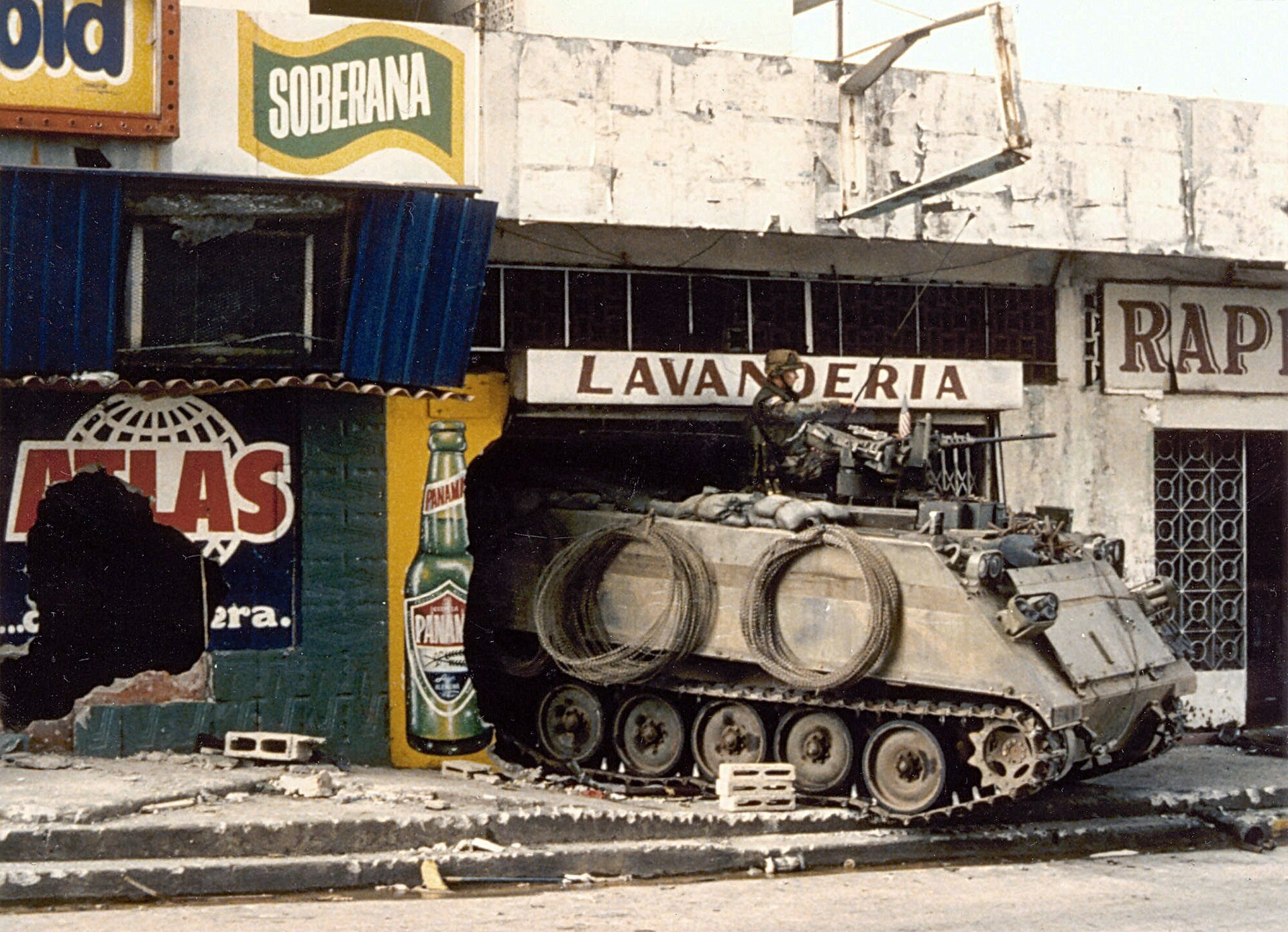
QUICK, or Quick Urban Integrated Combat Kriegsspiel, has been the biggest single influence on this project. It made me aware of modern terminology, such as Maneuver Units as key military elements, and Enablers as dedicated support units that can be moved between Maneuver Units. It also uses civilians as a concrete obstacle, even if it doesn’t have any specific rules for the consequences of hurting them.
The way the maneuver unit/enabler dynamic plays out in this game is expertly done. Artillery support is an enabler that you can move from one unit to another, representing commanders deciding who should have the support in a given moment. This dynamic is something I use as-is. One of the player’s key verbs is to assign and reassign enablers.
What I found most interesting about this is that there’s an intrinsic contract involved. If I represent a tactical nuclear weapon as an enabler, and I attach this to a unit, that is both the resource assignment and the usage approval rolled into one. That unit can now deploy the nuclear weapon. My hope is that this can make some enabler assignments weighty decisions to make.
Littoral Commander
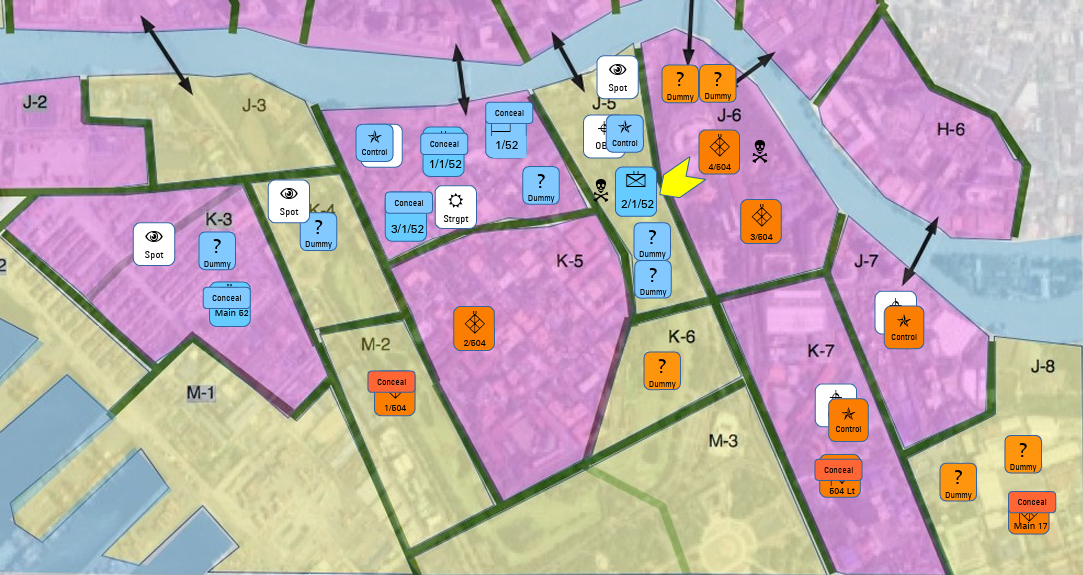
After reading several books on theoretical future wars, often between China and the U.S., and now deep into the reserach on modern warfare with a vague idea of a game in mind, I discovered another more recent wargame. Littoral Commander: Indo-Pacific. Not urban in scope at all, the effect of attacking units in cities in this game is simply a reduction of your global Influence value that represents bad global press and decreases in public opinion.
But something this game models expertly is the capabilities and the focus of modern militaries. Taking place in the same near future as the books just mentioned, armies make significant use of drones, hypersonic weapons, and long-range guided munitions ranging from loitering munitions to cruise missiles. As a consequence, it puts great emphasis on interceptors — weapons designed to destroy incoming projectiles before they reach their targets. A simple geographical fact that becomes clear is that an effective interceptor needs to be closer to the intended target than the weapon it’s intercepting. This makes the placement and volume of interceptors important.
Littoral Commander also has an approach to supplies that is quite interesting. You can shoot your entire magazine of ship missiles if you want to, but when you’re dry you must resupply before you can fire again. Supplies dwindle fast, and if you overextend you won’t be able to bring your most powerful weapons to bear more than once or twice. What to unleash for effect and what to keep in reserve becomes a key consideration for every commander.
Humanity
I’m naive enough to think that most people don’t have it in them to murder, to steal, or to commit heinous acts of other kinds against other humans. But at the same time, it’s quite obvious that extreme situations can push people over the edge and few situations are more extreme than war.
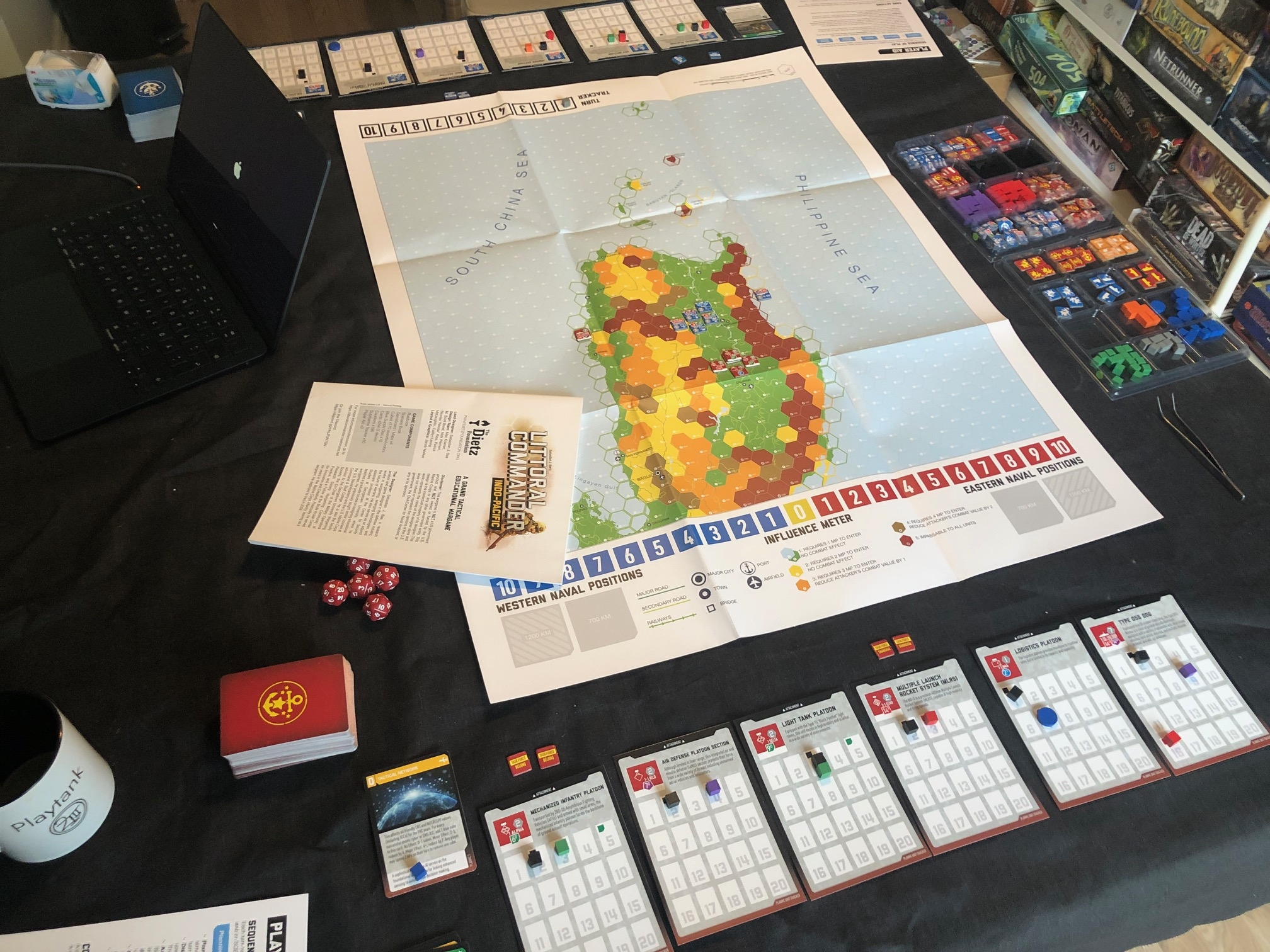
From looting, through a wide variety of horrors, to extremes like the alleged murdering of civilians for sport, war zones are terrifying places, especially for civilians who are caught in the middle.
This is a side of war that is rarely represented in games. Battalion-level abstractions makes it disappear as anything more than an inconvenience. First-person shooters usually don’t present it at all, or show you a few civilians being tortured in a cutscene before moving on to more shooting.
Everything from civil unrest, to civilians acting as forward observers for the enemy, to looting by civilians and by militaries of both sides, and a long long list of humanitarian disasters happen in a war zone. Sometimes deliberately, egged on by commanders, sometimes against their orders.
Warrior Spirit
There’s always been a certain fascination and adoration for the warrior. Martial prowess, even a martial identity. From ancient Roman legionnaires, to young Prussian men proudly wearing their “Pickelhaubes” on the march against Napoleon, to World War II soldiers with shining poster smiles; to the present, with multiple wars of aggression and wide disregard for international peace treaties. Governments at war want you to aspire to a martial identity.
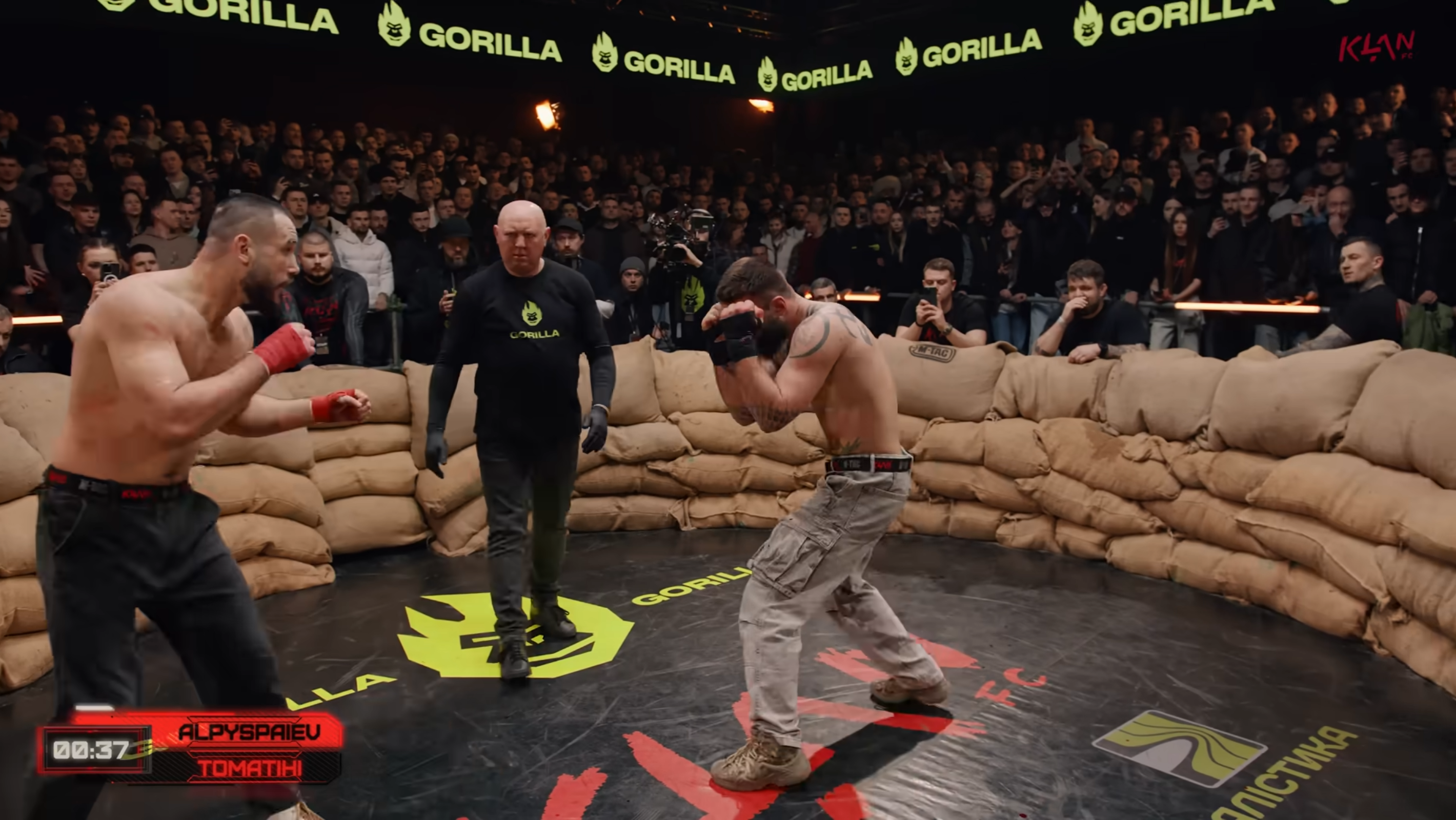
It struck me when watching the bareknuckle fights of frontline soldiers in the Klan FC promotion of Ukraine, that we’re seeing a modern resurgence of this martial identity. Founded by active servicemen, this celebration of fighting skill and combat prowess is clear, with the dog tags of several fighters proudly displayed in their ringwalks. Patriotism, nationalism, warrior spirit.
You can’t have an effective military for years if it’s not ready to fight, hone its skills, improve morale, and not just hate the enemy, but respect the enemy. This also needs to be passed on to new recruits and younger generations. In a way, every war must start with this warrior spirit.
Wanting to make a game about war demonstrates that I’m personally party to this, even if I’m too comfortable (and too old) to be much more than an armchair general in practice.
The Dark Side
If we consider the warrior spirit a kind of “light” side of the human angle, there is a much more problematic “dark” side as well. You may think that all civilians packed their bags and ran off before the shelling began, so you can do your fighting in peace. You did give them proper warning, after all. But this is very rarely the case.
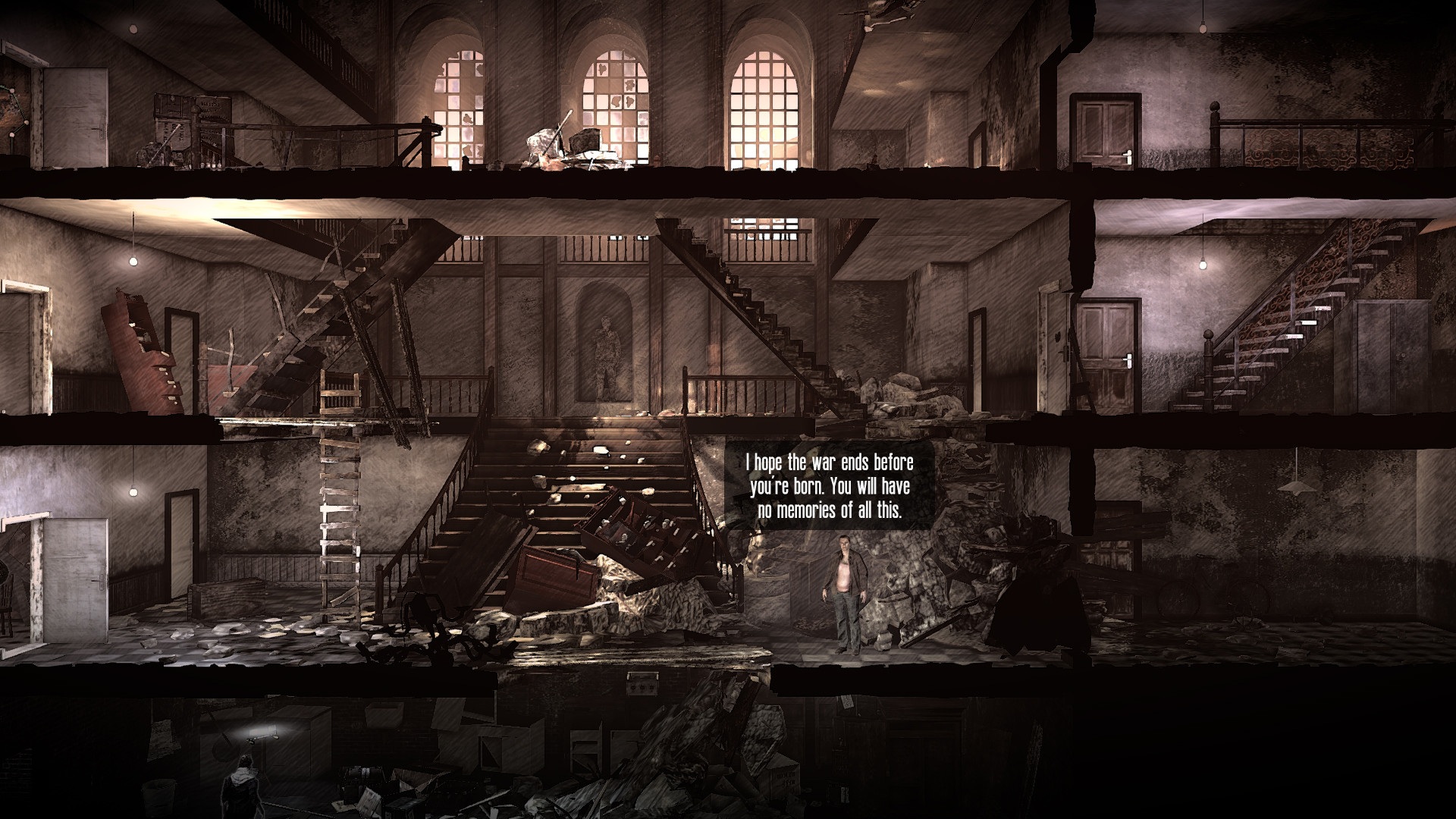
Some are too old, too poor, too stubborn, or just too unlucky to get out in time. Among them are opportunists, who are now stealing from or even assaulting their ex-neighbours, while others become impromptu leaders organising shelters, improvised hospitals, charities, and more. Most will hide and try not to cause trouble, learning quickly which streets are most contested and where they may risk sniper fire.
If this dark side terrifies you, it should. Living under these uncertain and violent circumstances must be truly awful. For those of us living our lives comfortably far from any war, we can only speculate.
For this project, civilians are a constant factor, and as both attacker and defender you must use no-fire zones and reassignment of enablers to minimise casualties. You must also deploy Military Police to create humanitarian corridors, handle looters and criminal elements, and to defend the civilian population from the military units on both sides.
Micromanaging War
As a sharp contrast to the human side of war, let’s dig into the gameplay.
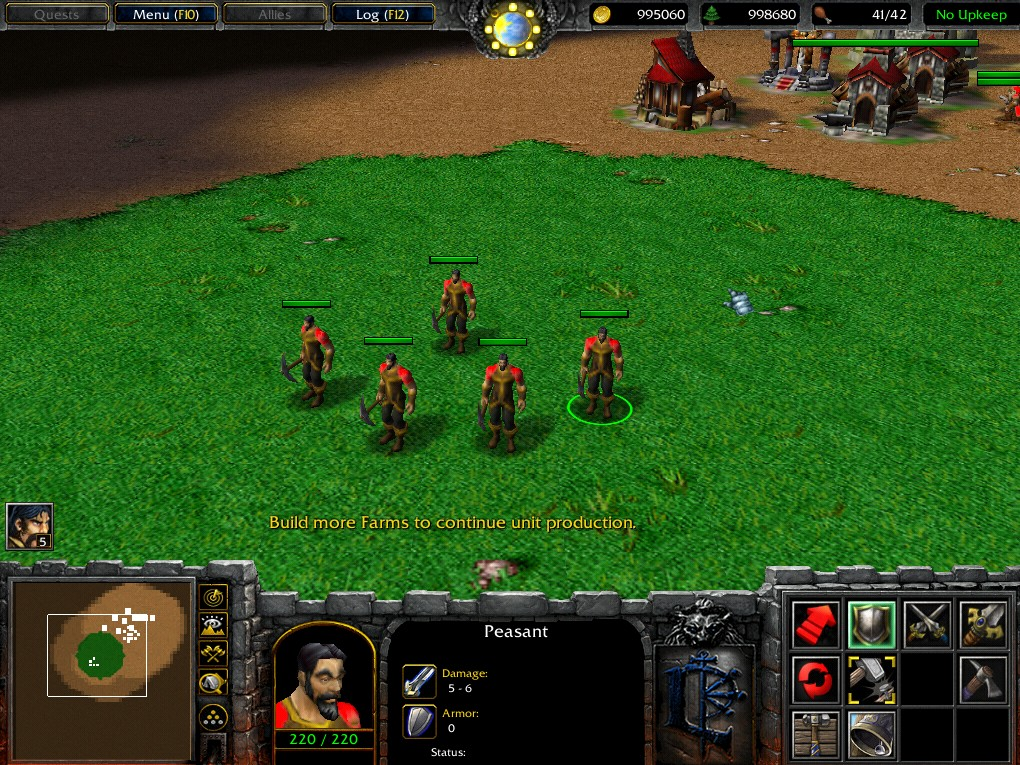
Low-micro comes from the realisation over the years that almost every kind of strategic or tactical game focuses a lot on micromanagement. Click the unit, click its ability, click where it should be used. Rinse and repeat for every unit or group of units in your growing army.
There has been forays into more indirect control, such as the Majesty games, where you assign gold values to various flags in order to motivate your units to do as you want them to. This is what I wanted to dig even deeper into.
The QUICK approach, with maneuver units representing the bulk of your forces, and enablers representing specialised support, was a natural fit. You never tell a maneuver unit what to do. Instead, it has specialised abilities based on its equipment and training, and it will exercise all of these automatically. Not always to your liking, since there’s an element of leadership attached to the unit as well.
To kick this off, I decided that you’d simply never give units a direct order. You’d instead provide operational priorities to units.
War RPG
Finally, the game itself. I haven’t written about my personal projects all that much on this blog, yet, for various reasons. But I felt this project was mature enough to talk about.
I’ve called it “War RPG” simply because it borrows the structure of some lightweight role-playing games. It has unit veterancy as an element of experience progression, and unit postures/tactics as statistics they can improve. It also has the enablers as a form of equipment that can be attached to only one unit at a time. So RPG is a functional design analogy, but it’s not something that has been followed to the letter.
If the project ever gets a real title, it most likely won’t have “RPG” in it.
Uppsala Prototype
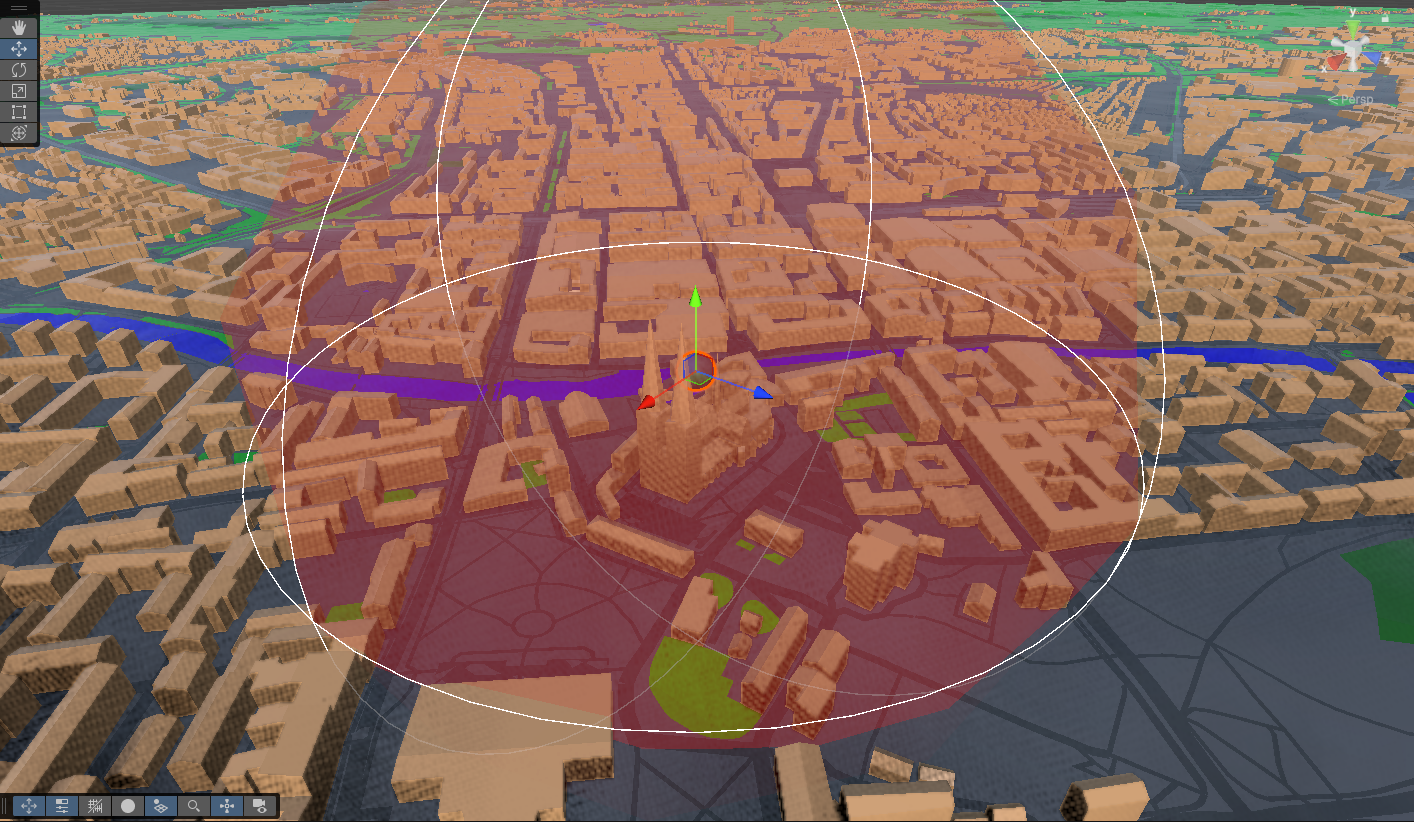
During my summer vacation in 2024, I spent some time building a prototype of block-to-block urban warfare in a modern city using my hometown of Uppsala, Sweden, as the template. I used the free Blosm plugin for Blender to generate a 16×16 kilometer square in and around Uppsala, where the plugin generated both a terrain height map and 3D placeholder buildings that were more than accurate enough for my needs.
After that, I came up with a template for building story counts relating how many families lived in each house, and how to flag different buildings based on their type. Residential, industrial, etc.
This prototype never quite reached a playable state, since my time ran out, but it demonstrated many interesting elements. Not least of all just how destructive urban warfare is, and how terrifying it looks when it’s your own home and not a place you only hear about in the news.
A Commander’s View
The next version of this game started taking shape about a year later, with a new more abstract map. I also decided to use fictional cities instead of real ones, even if this may change again down the line. But generating a city procedurally turned out to be a lot easier at least for this version.
There are two layers to the map.
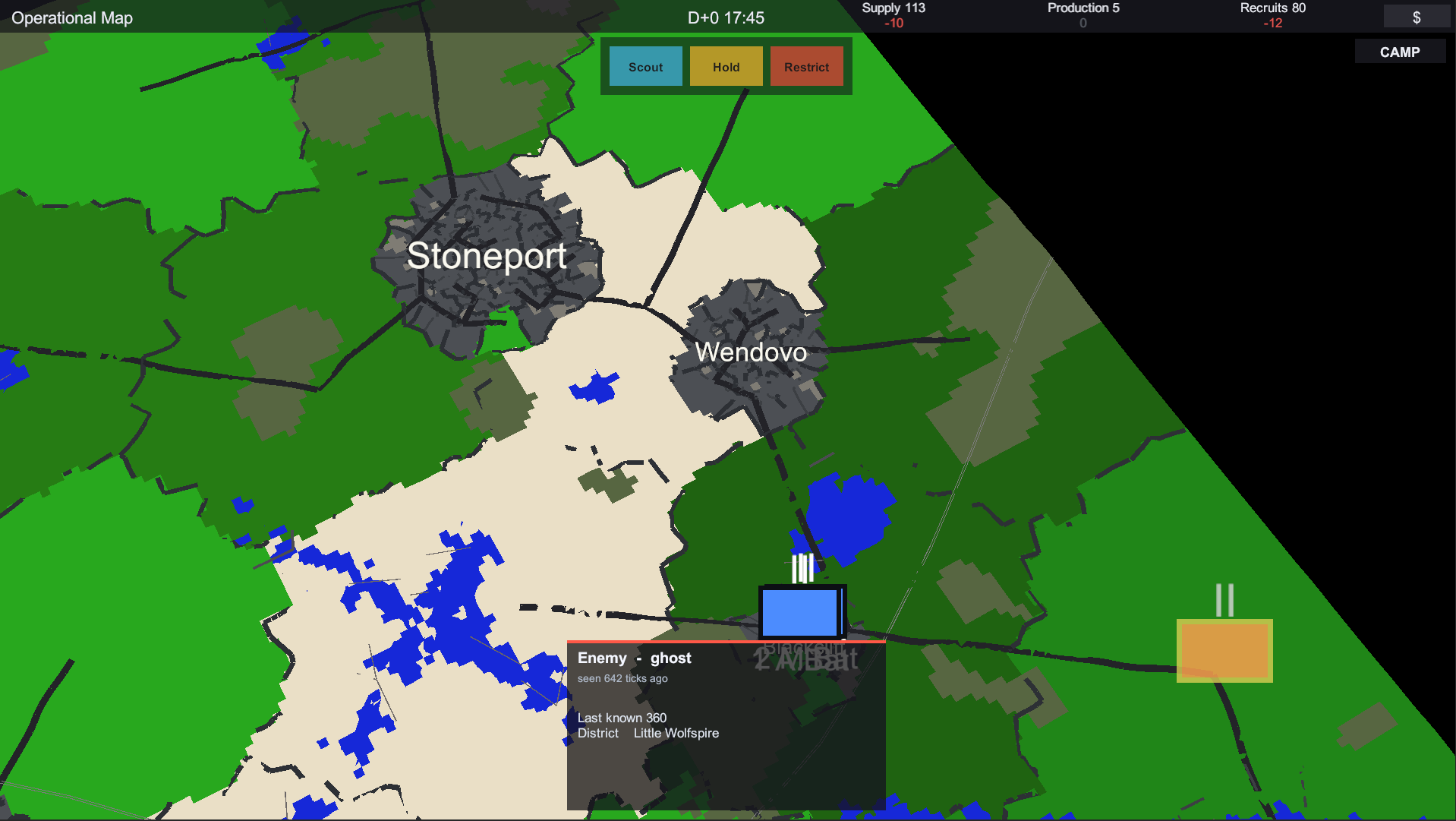
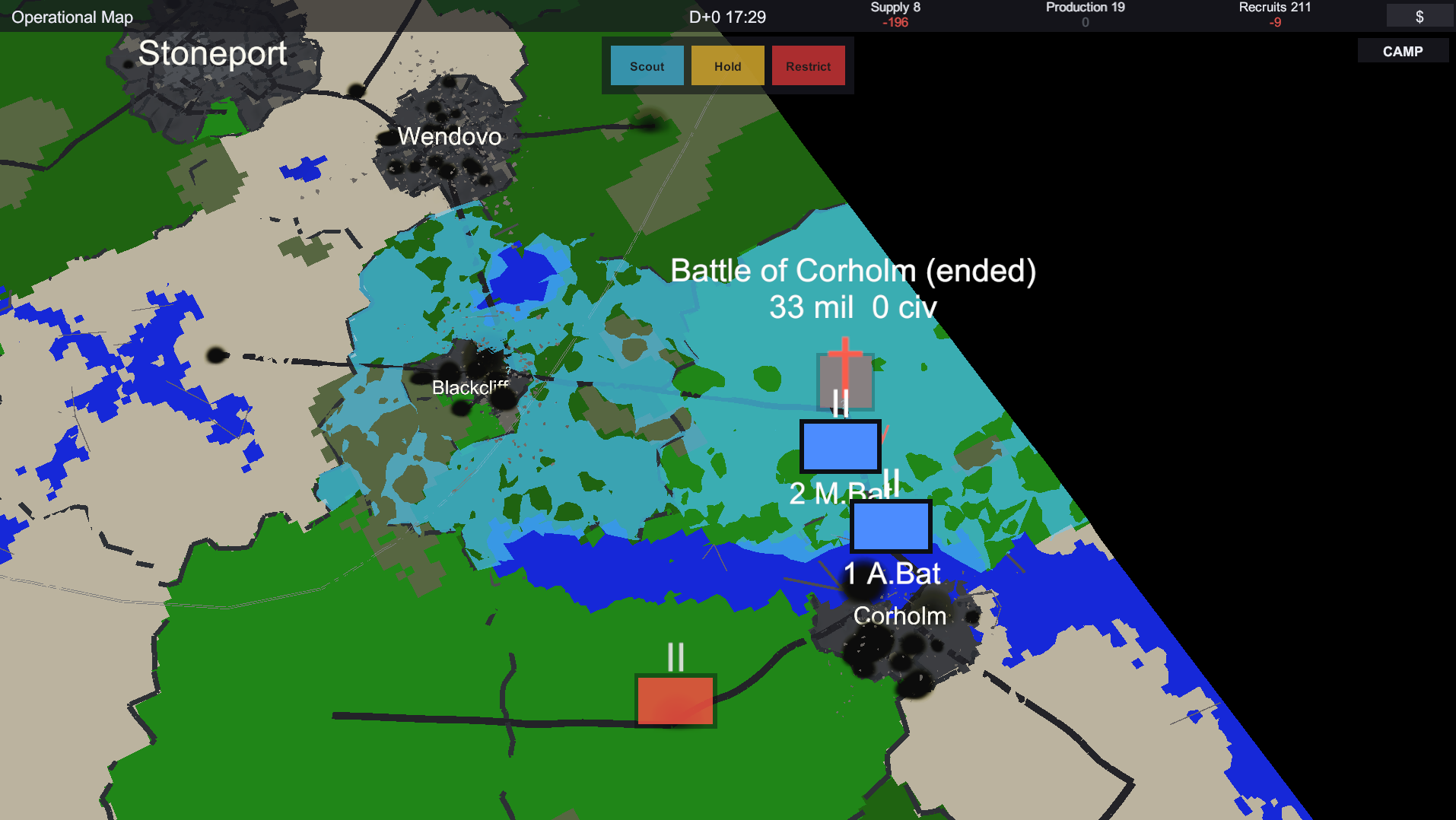
On the operational layer, you keep track of logistics, the physical placement of enablers (like artillery batteries and airfields), and the battalion-level units you have access to. At this level, the road network can be destroyed. Bridges can be destroyed. You can use engineer enablers to both destroy and repair such assets, but the effect on your supply logistics is profound either way. If you don’t keep watch at this layer, you will lose.
On the city layer, you can more clearly see the distribution of your forces in the districts and building blocks. At the system level, this layer is further divided, but I’ll get back to that later. For the player, it’s the operational layer and the city layer, and input works the same at both layers. You don’t see the minute details at the city layer.
Terrain, weather, bodies of water; many things on the operational layer will naturally affect the city layer. There is also no way to pause while playing. You can pause the whole simulation, of course, since it’s a singleplayer game and you can resume it at any time. But you can’t pause-and-plan the way you may expect from a game like this.
The reason for this is that no commander can pause-and-plan either. The fighting doesn’t stop because you need to think. Originally, I thought of this as a kind of “hard mode,” but I quite quickly felt it was too important for the concept as a whole to make optional.
Fighting in the Streets
Cities are divided into districts, and each district is further divided into multiple instances of Surface, Mid, and Core, based on key buildings in the district. The last three are never exposed to the player, but represent street-level, probing, and finally the deeply fortified segments of a subnode in the district.
Units enter a district by spreading “influence” to it. At first, they will only influence the Surface subnodes, and then depending on their player-set priorities, unit composition, and enabler access, they will continue into the district differently. An aggressive unit will attack fortified Mid and Core subnodes, while a scouting unit will stay at surface and continue.
From this simple setup there’s a lot of nuance that comes out, including the complex 3-1 and 6-1 tradeoffs you will have to make against a fortified core subnode. It can effectively become a battlefield within the battlefield of the city.
Player Verbs
The trickiest part of this project, and the one that has been put together more recently, is what the player will be doing. This has expanded and contracted over time, but now settled into a tiny set of heavy tradeoffs.
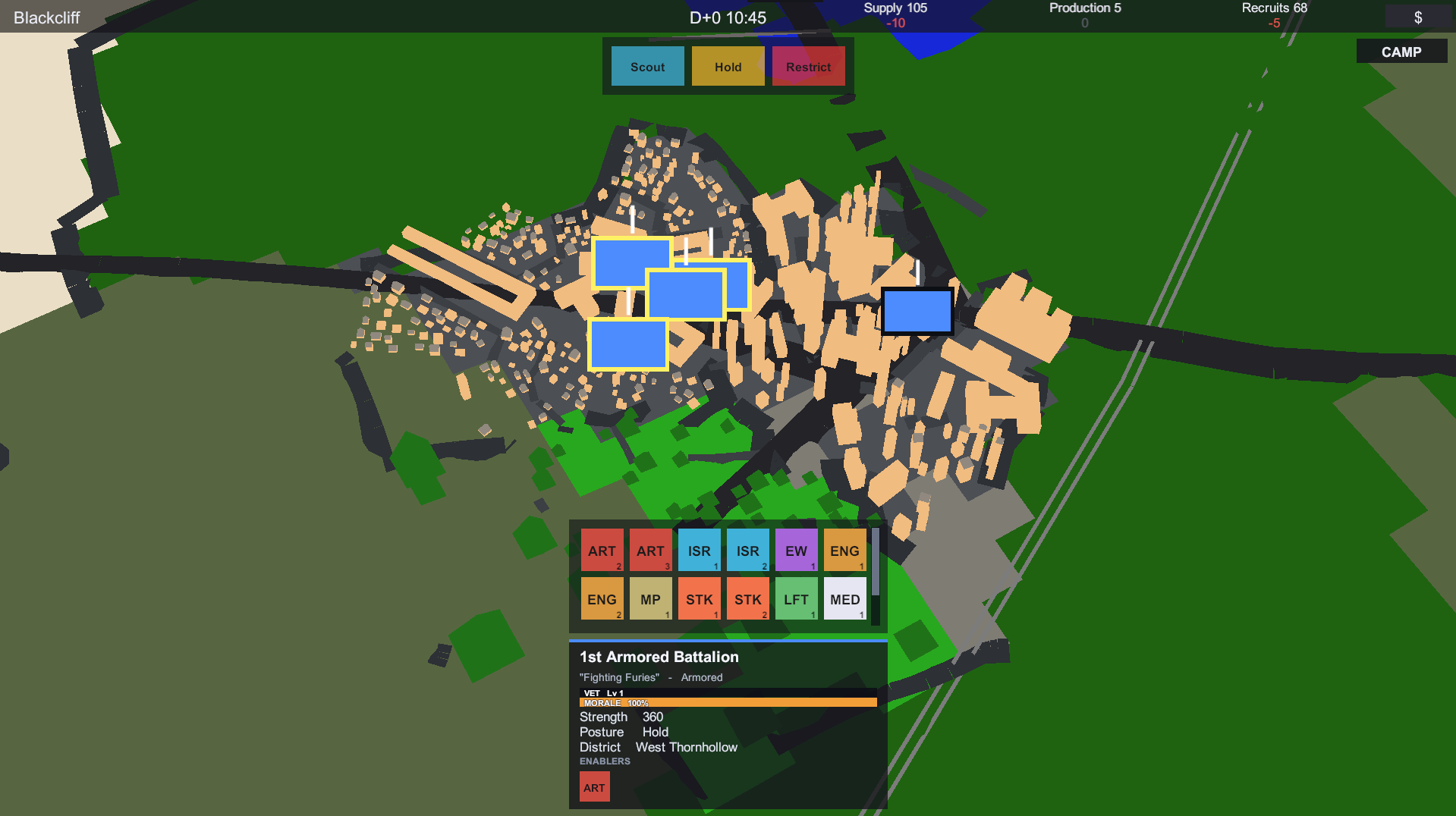
First of all, you have the army priority settings that you “paint” onto the battlefield at any layer. You do this by selecting the corresponding “brush” and selecting the sectors you want to affect.
- Scout means you need more information about a sector, and will prioritise patrols and intel enablers like drones and scout companies.
- Hold tells your army that this sector is important, and will make them prioritise it for attack or hold actions, depending on influence.
- Restrict means units should avoid a sector and never use ordnance against it. It’s how you set no-fire zones and humanitarian corridors. Military police enablers will operate in such places. Of course, the enemy doesn’t care about this, so you can only hope that it’s possible to maintain.
Second, you have enabler verbs. Enablers are taken from an inventory of enablers and “equipped” in slots on units. It’s a drag-and-drop feature of the kind you’d expect from a role-playing game or other game with inventories. This is still quite primitive in the current setup, but will be expanded to differentiate between kinds of units that can make use of different enablers.
- Assignment of an enabler gives a unit access to enabler immediately. The goal is to make this impactful and felt for the player. Many enablers have visual effects, like sorties from bombers seen on the map, artillery barrages visibly curving onto targets, etc. Other enablers provide a very high bonus to existing postures, such as a drone company providing a large boost to a patrol mission.
- Unassignment means simply keeping an enabler in your inventory without attaching it to a unit’s slot. This serves multiple purposes, not least of all meaning that the enabler’s sometimes significant cost in supply will be zero while it’s not being used.
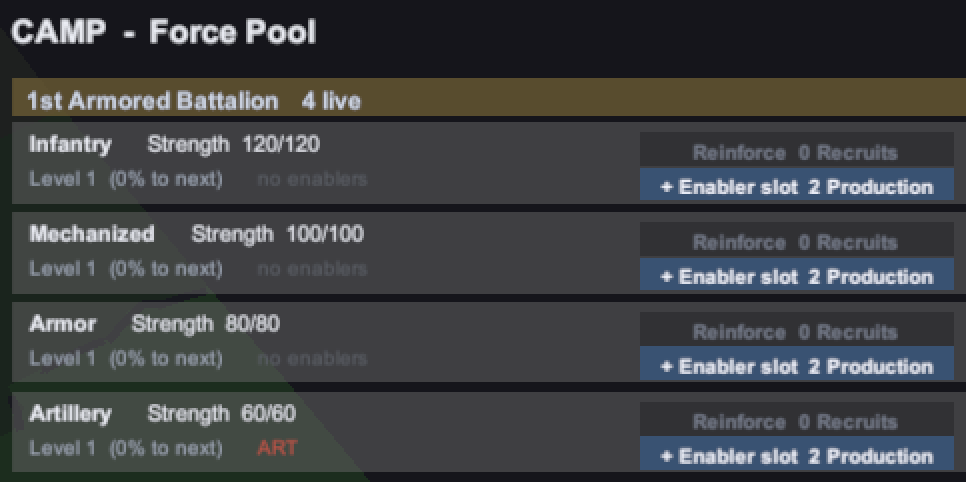
Third and last, you have high level unit priority. This was discovered as a minor exception to direct unit control, because it felt strange to have “level ups” occur in the field. Instead, this is essentially a feature to garrison a unit for a while to let it absorb new recruits, gain new equipment, replace lost equipment, and to rest. Units can end in this state dynamically as well, if they are routed in the field and retreat.
- Rotation means that you tell a unit to garrison. This will make them fall back to wherever they are originally garrisoned, and will put them in a resting mode. Upgrades and reinforcements can only happen in this state — never in the field.
- Production spends production resources and means adding additional enabler slots, mustering entirely new units with new equipment, and giving units better equipment. It’s the “arms race” element of the game, and scaled in such a way that every point of production is precious. Points you spend on upgrading units can’t be spent on rebuilding infrastructure, for example.
- Reinforcements is another crucial part of the garrison rotation. While garrisoned, a unit can be replenished with fresh recruits. However, if you haven’t first spent some production and supply training these recruits, this will decrease the unit’s veterancy and morale. Not significantly, but enough to make it dangerous to rush new recruits onto the field.
Resources
I’ve already mentioned all three of the game’s resources by now.
Supply is used constantly. Units in the field need ammunition, food, fuel, medicine, and so much more. Units that are garrisoned still need most of this, but if they don’t see active combat their rate of supply consumption shrinks. Supply is funnelled through a logistics network at the operational level and gained from supply districts you control. If roads are destroyed or such districts become disconnected for other reasons, you lose the supply network. Logistics enablers can mitigate this, for example via the air. Each “unit” of supply represents a metric ton of generalised resources.
Production is a resource that you spend. It’s gained just like supply, but in much smaller quantities. Each “unit” of production represents the generalised industrial output of a day without disruptions. You can spend it on upgrading garrisoned units, creating new units or enablers, repairing damaged enablers, rebuilding infrastructure, and more. It’s the most versatile but also the most scarce of the resources. Production is also spent on training new recruits, so that they are not pulled into units without preparations.
Recruits is a direct 1-1 representation of incoming recruits. Each number is a person. Down the line, I want to generate unique individual names for each and every recruit that you bring in, so you can have lists of the humans killed or injured through the fictional war you’re fighting. As a unit sees combat, its strength is decreased by casualties, and the only way to rebuild a unit’s strength is by first letting it garrison and then assigning recruits from your pool of recruits.

Units
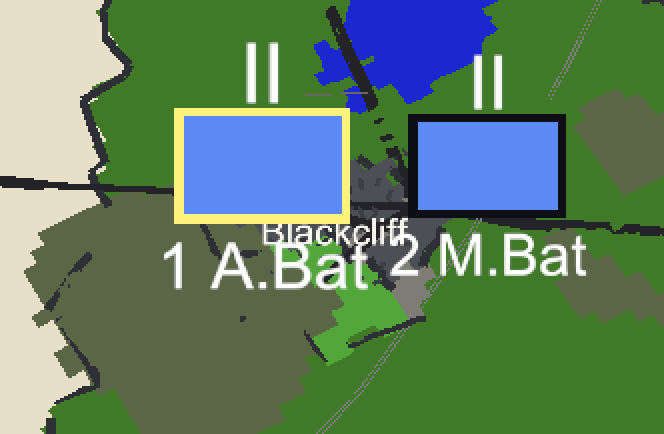
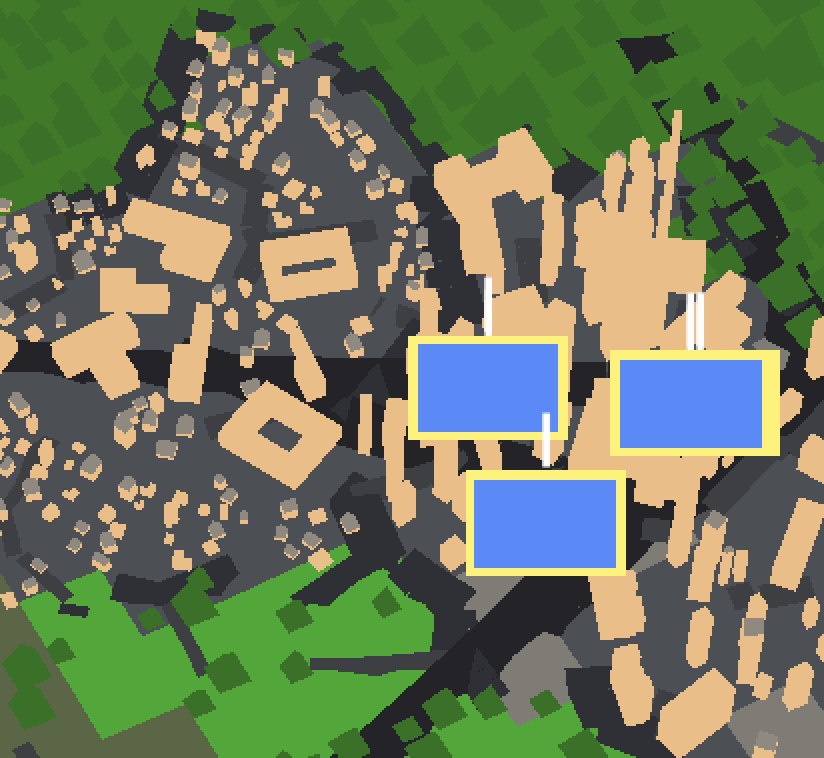
On the operational layer, a unit is equivalent to a battalion. Around 1,000 personnel organised into different companies. They are visually broken down into company subunits of up to 250 personnel each when you zoom into the city layer.
This visual distinction serves multiple purposes. First and foremost, the breakdown is a visual representation of the simulation. The influence effect of a unit is divided into the effective posture of each subunit. More details on postures later, but a company of infantry scouts and a company of mechanised infantry will have different effects on what the battalion does best.
The plan is to provide a force composition tool as well as a number of predesigned scenarios, so that the minutiae of composing forces is not a requirement but still a possibility. It’s probably where the game’s light role-playing inspirations are most obvious, since it’s more or less the same as maximising builds in a RPG. Main difference is that no “build” can be good at everything. There are just not enough points to cover all postures.
Enablers
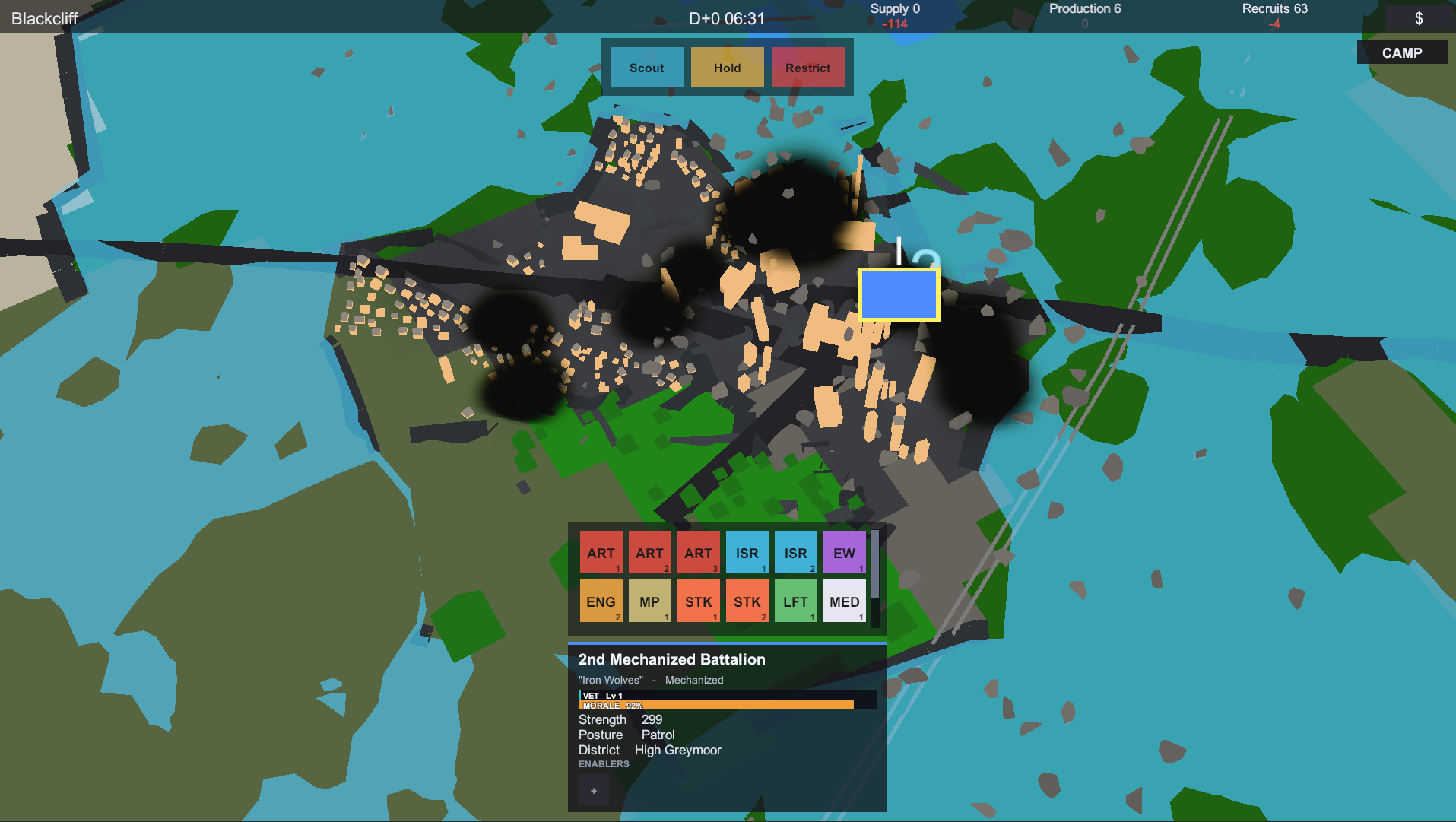
I’m not sure how many enablers the game will have if it’s ever completed, but right now, they act like the items in a unit’s inventory. The most prominent enablers are the following, but there are some more tentative ones in the prototype. Including a tactical nuclear launch vehicle.
Intelligence Surveillance Reconnaissance and Target Acquisition (ISTAR) enablers. Drone operators, scout teams, forward observers, and more. They are rolled into a single enabler but can be specialised in different ways. Drones have longer range while scouts provide sharper coverage. They are not balanced, however, but designed to represent real world support units.
Artillery (ART) enablers. Long-range capabilities like missile platforms and howitzers. These and Air Support (AIR) enablers work roughly the same, where they are based someplace on the map and will initialise barrages or sorties based on intel from the units they’re attached to. Giving a unit a long-range enabler will allow that unit unlimited use of this enabler as it sees fit — the player is not going to tell them what to target except by using the Restrict influence. Their main restriction is access to supplies.
Medevac (MED) enablers. These can be airborne or groundbased. Armored or light. They will reduce a unit’s loss rate by a certain percentage but only if they can enjoy either air superiority or other logistical connection. They will not “heal” a unit, however. The only way to replenish a unit’s strength is by refilling it with new recruits.
Military Police (MP) enablers. These will reduce civilian casualties, drain the number of civilians present in an embattled district into safer neighboring districts, make sure that your own soldiers don’t affect the city negatively (looting, etc), and more. Very powerful enabler, but won’t do much for the unit’s combat power.
Logistics (LOG) enablers. Perhaps the most important yet least romantic of them all. Trucks, cargo airlift, FARPs, and humanitarian aid. A combination of LOG and MP enablers are required to operate humanitarian corridors into districts that have not been evacuated. But all operations of every kind require supply and these enablers are what makes it possible to prioritise some units over others when the circumstances call for it. If your operational logistics are stable enough, these enablers are not needed at all.
Engineer (ENG) enablers. These can build or destroy fortifications, repair or destroy bridges, and increase the mobility of defending troops (breaching tactics). They can also lay or clear booby traps and mines. Exactly what they end up doing depends on the unit they are attached to and its circumstances.
Veterancy
Two gauges are working all the time when a unit executes any of its postures. The first is experience and the second is morale.
It doesn’t have to see combat to gain experience, it only needs to do what it’s supposed to. This means that a unit patrolling the front will gain experience in Patrol, while a unit exchanging fire with enemy forces will gain experience in Hold, Contact, or even Attack, depending on intensity and circumstances.
Morale is more problematic. A unit at 100% morale will be able to gain the full benefits of the experience it gains, to “level up,” but losing morale will also limit how much experience can be gained. So if morale goes down to 75%, the unit can only achieve 75% of unlocking its next level. It has to be taken out of rotation and garrisoned before it gains the benefits of its experience.
The idea behind this setup is to demonstrate the longterm effects of unit fatigue. Yes, they are now better under fire, but they’re also exhausted.
Sorties and Fire Missions
Each time a barrage or airstrike hits has a significant effect both on the battlefield and its defensibility and on the units that are targeted. Aircraft sorties can be intercepted by anti-air capable units or enablers, and artillery fire can be subjected to counter-fire by allied artillery or aircraft.
A holed up and fortified infantry unit is not that easy to dislodge, even with heavy barrages, and the game reflects this in the subsectioning of cities. You will still have to go in and clear the rubble, as an attacker.
Posture and Combat Power
I won’t go into deep detail on the simulation behind the scenes, but let’s go over some basics. Picture the sectors and subsectors as nodes, and the connections between them as edges. This is roughly the kind of graph that makes the whole map work.
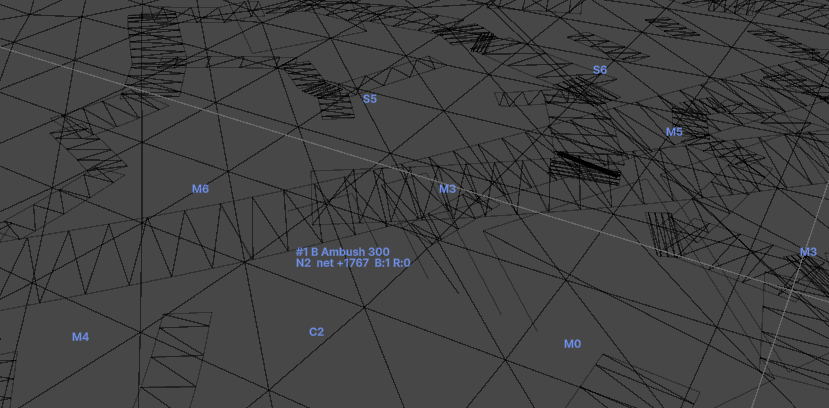
In the debug screenshot below, you can se that there’s a unit of strength 300 holed up in N2’s B subnode, with a combat power of 1,767. They’re currently in the Ambush posture, which means they are waiting to bring all of that power to bear on anyone who enters their node. The Ambush posture is extremely lethal against an attacker, and this type of setup is exactly what causes the 6 to 1 defensive advantage in urban warfare.
The maths are not as involved as it may sound. Each posture type distributes the unit’s strength across Defense, Offense, and Lateral axes. Ambush, for example, defaults to 1.2, 0.0, 0.2 — it gains a boost on defense, does no offense at all, but does influence adjacent subsectors a tiny bit (lateral). This is also just one unit. Multiple units overlapping the same space will add to each other’s influence.
Influence
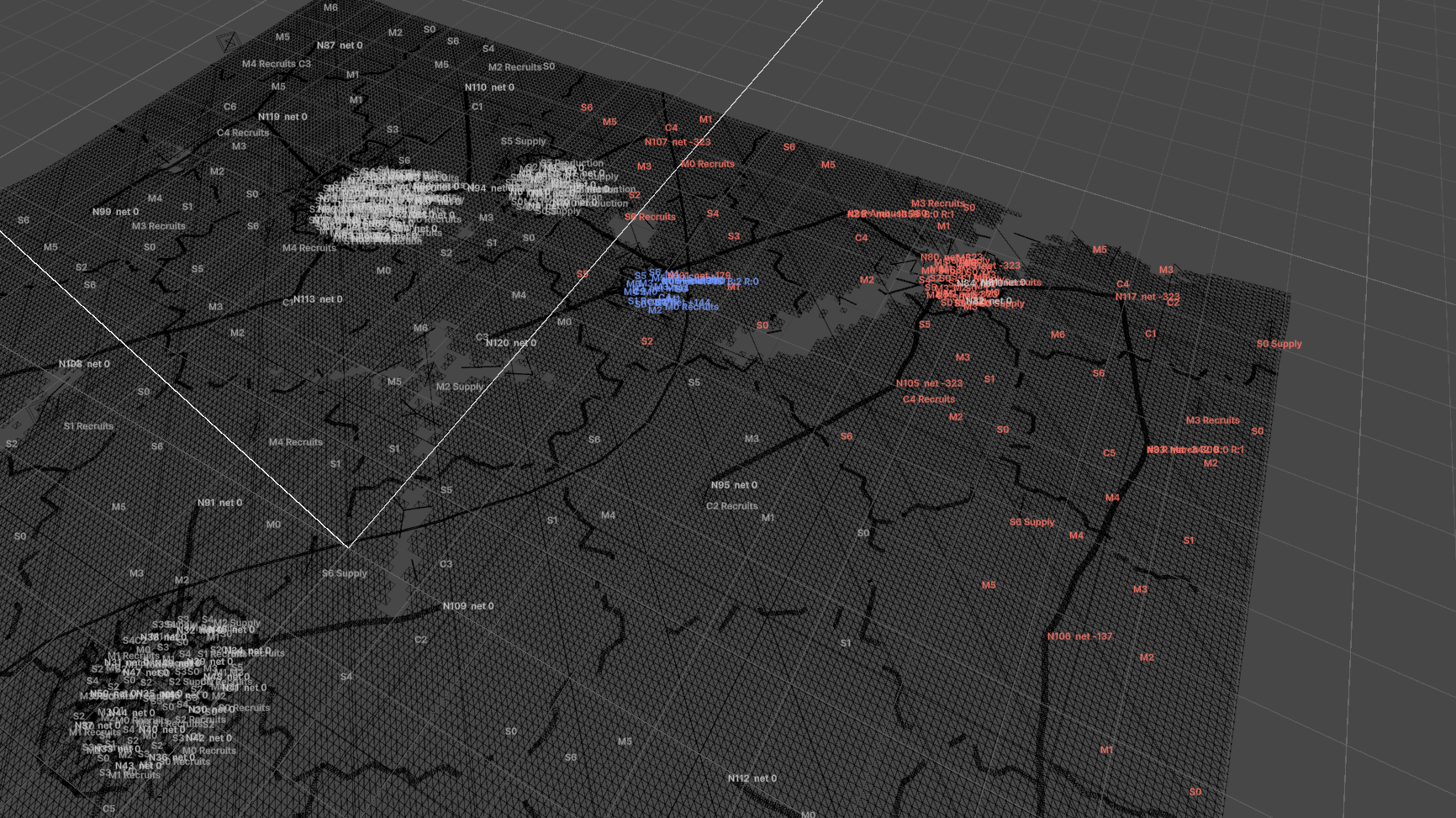
At scale, this system handles all types of nodes the same. The below screenshot shows the difference it makes to change into a more offensive posture, as the red opposing forces are spreading their influence far and wide in order to occupy the space. Meanwhile, the blue allied forces are holding up in a single city.
Note that the shot below is the perfect information of the simulator. The player wouldn’t know about the red forces’ occupation without sending drones or scouts to look.
What Next?
I have no plans for this project. It may see the light of day as an Itch.io or Steam release at some point, but this feels like somewhat uncharted territory. Also, 1) maybe this isn’t subject matter that should be turned into games, and 2) perhaps I’m not the person who should do it if it’s done.
Regardless, it’s actually quite interesting to play even in this rough form, and I’m certainly going to keep researching and experimenting. Perhaps there will be a progress update in another two years!

