There’s sometimes an idea that a systemic game is inherently complicated to play. If you simulate a world, you must simulate everything that can potentially exist in that world. If you don’t want to constrain the player, and you want to lean strongly into player agency, this seems to lead naturally to a high degree of complexity.
In some ways, yes. You need to plan for more redundancy than what a feature-rich game may need. But complexity itself is not a goal, and I’d even argue that some measure of complexity is a strength for this type of design.
How to make games that are high in player agency without making them incredibly complicated, however — that’s the topic for this post.
Exploring Complexity
Let’s set some terminology before moving ahead.
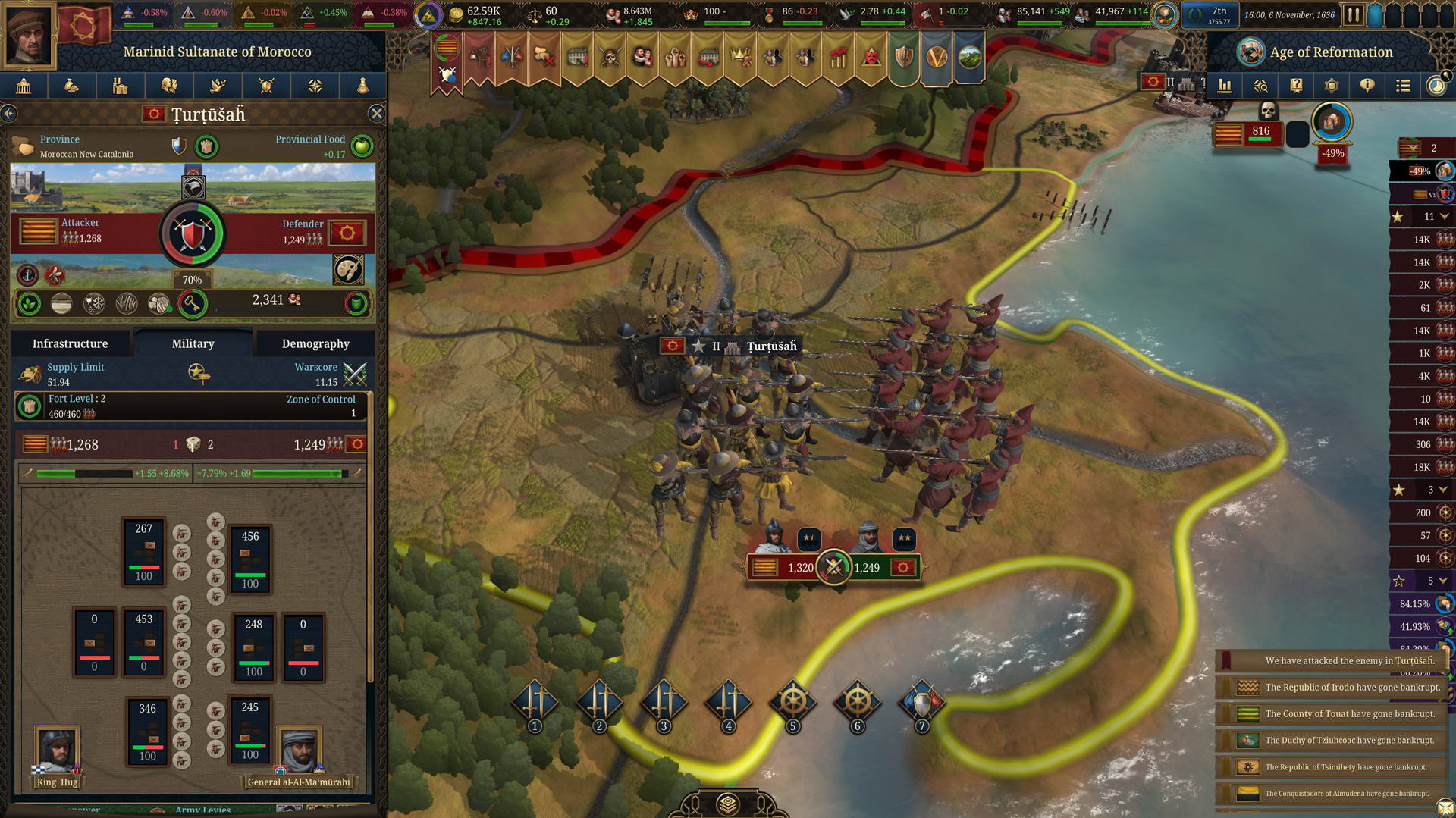
Complicated things are difficult, intricate, or require specialised knowledge to understand, but are predictable and can be solved. A complicated game is hard to interact with and may require that you internalise deep mechanical interactions before you can understand what kinds of decisions you need to make. This is not always intentional, but can be the product of a badly designed user interface.
Complex things, on the other hand, are composed of interconnected parts where the whole is greater than the sum of those parts, often unpredictably. As you can tell, complex is extremely close to emergent. The difference between complicated and complex is that you don’t need to understand the whole of a complex system: it’s enough to internalise the system’s consistent elements. This last boldface point is what we’ll circle back to later.
State-Space Complexity
A system’s state-space complexity is measured by counting the total number of states that are reachable from an initial configuration. A linear game will have a small initial state-space complexity, because there isn’t enough branching to introduce it.
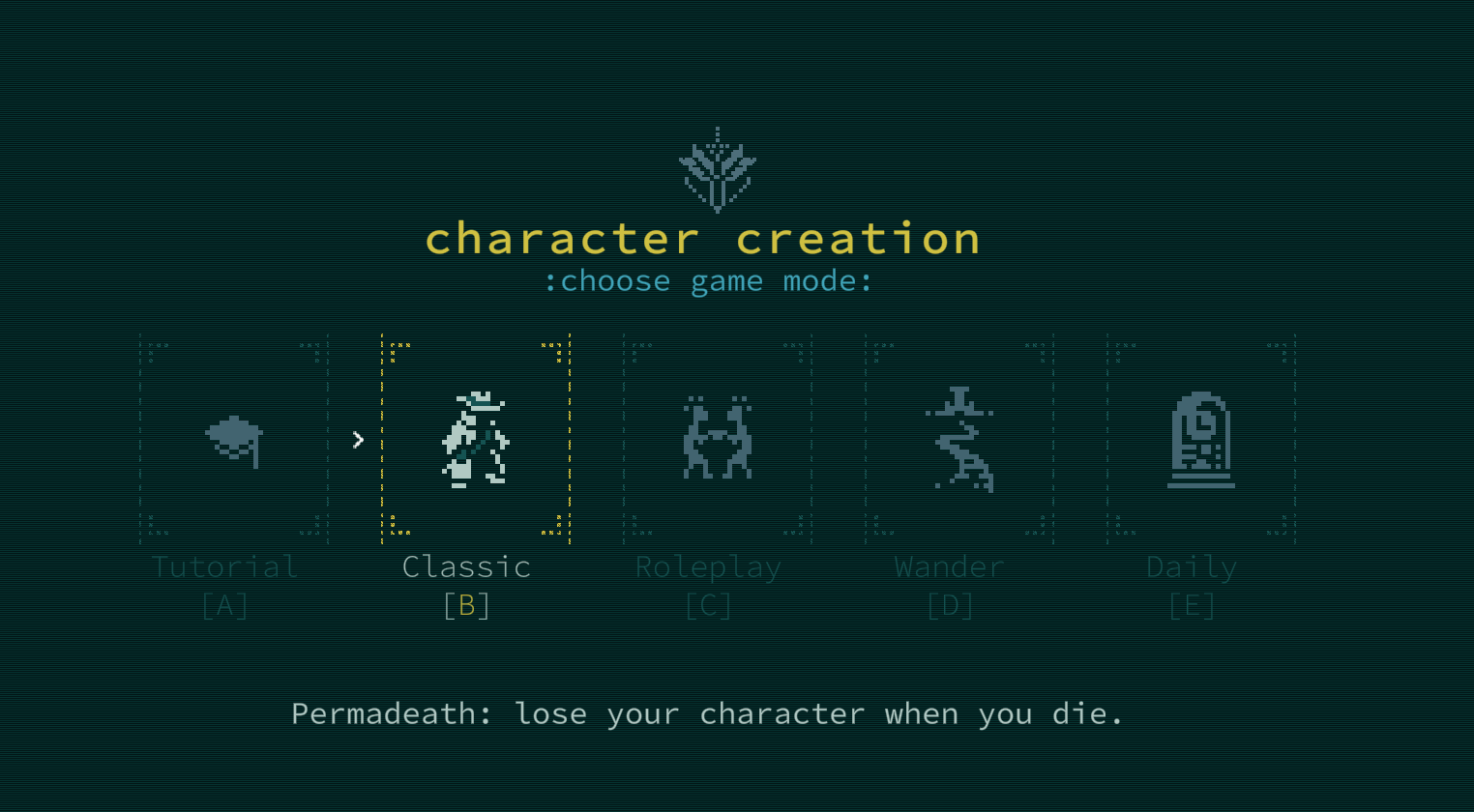
Picture a game where you make setup choices at the start, like the excellent Caves of Qud. You pick a character, difficulty, starting location, and you have some other choices you can make as well. Some of these choices are unknown to you the first time you play, meaning that you may pick what sounds cool or what you were told was the optimal choice in a wiki guide. Each such choice affects the resulting state-space complexity. Particularly if they have synergies between them.
A complicated game with high state-space complexity will take time to understand fully, but may instead lead to boredom once all permutations have been understood and the layers of uncertainty overcome.
A complex game with high state-space complexity, on the other hand, will rarely be fully explorable even after years of play. There can always be emergent effects left to discover.
Analytic Complexity
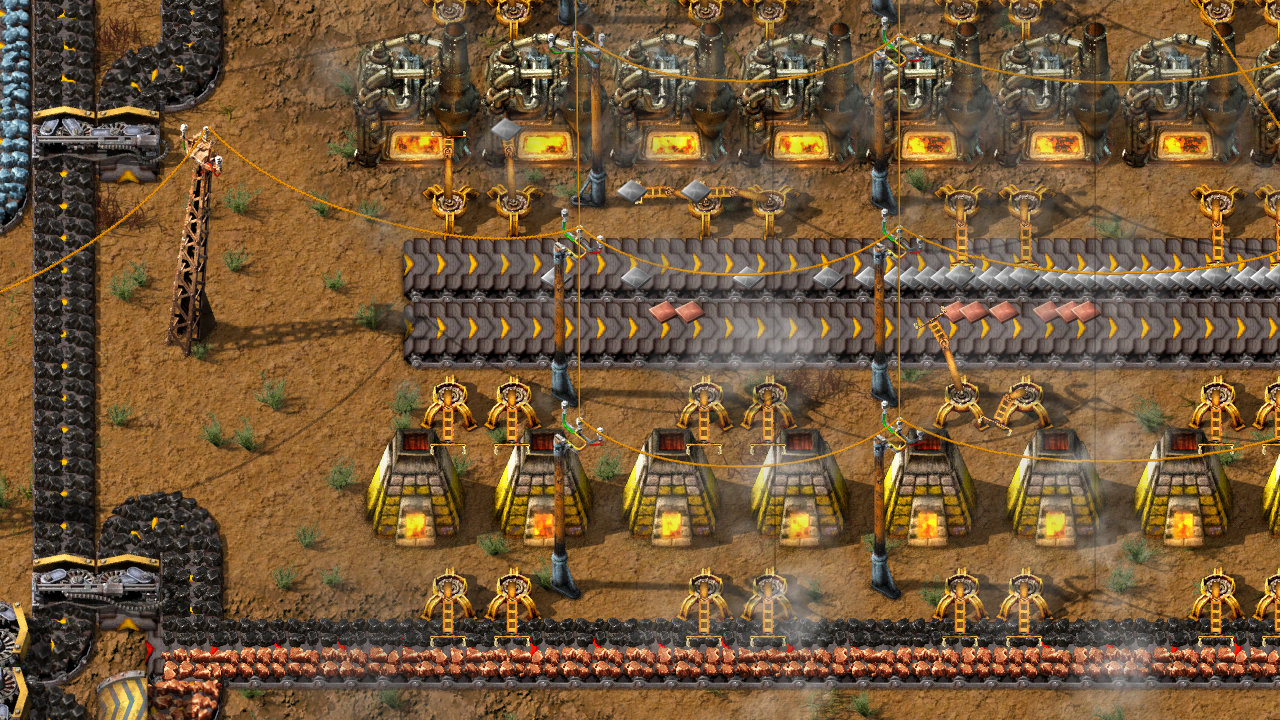
The mental resource requirements for solving a particular problem is what leads to potential analytic complexity. When there are so many different elements to keep track of that the outcome might as well be random, there can be argued to be too much analytic complexity. But this is of course a matter of taste more than anything. Some players love this type of complexity and actively seek it.
For a complicated game, analytic complexity can be caused by the intricacies of the interface or having to understand every dynamic before you make decisions.
For a complex game, high analytic complexity will make things feel random and unpredictable, because it’s too hard to internalise the hows and whys.
Cognitive Complexity
No amount of analytic thrill can happen if you don’t understand what is going on or if there is simply so much information that it becomes overwhelming. Whenever someone derogatorily refers to playing a certain game as “playing an Excel sheet,” for example, what they’re probably complaining about is the game’s cognitive complexity. There are too many pieces of information, they are hidden too deep in the game’s menus, or otherwise difficult to access at the right time.
Complicated games reach here by having menus with submenus, strange keywords you must learn, and other forms of cognitive boundaries.
Complex games will arrive at cognitive complexity by hiding effect from cause, so that it’s hard to figure out where emergent effects are coming from.
Memory Complexity
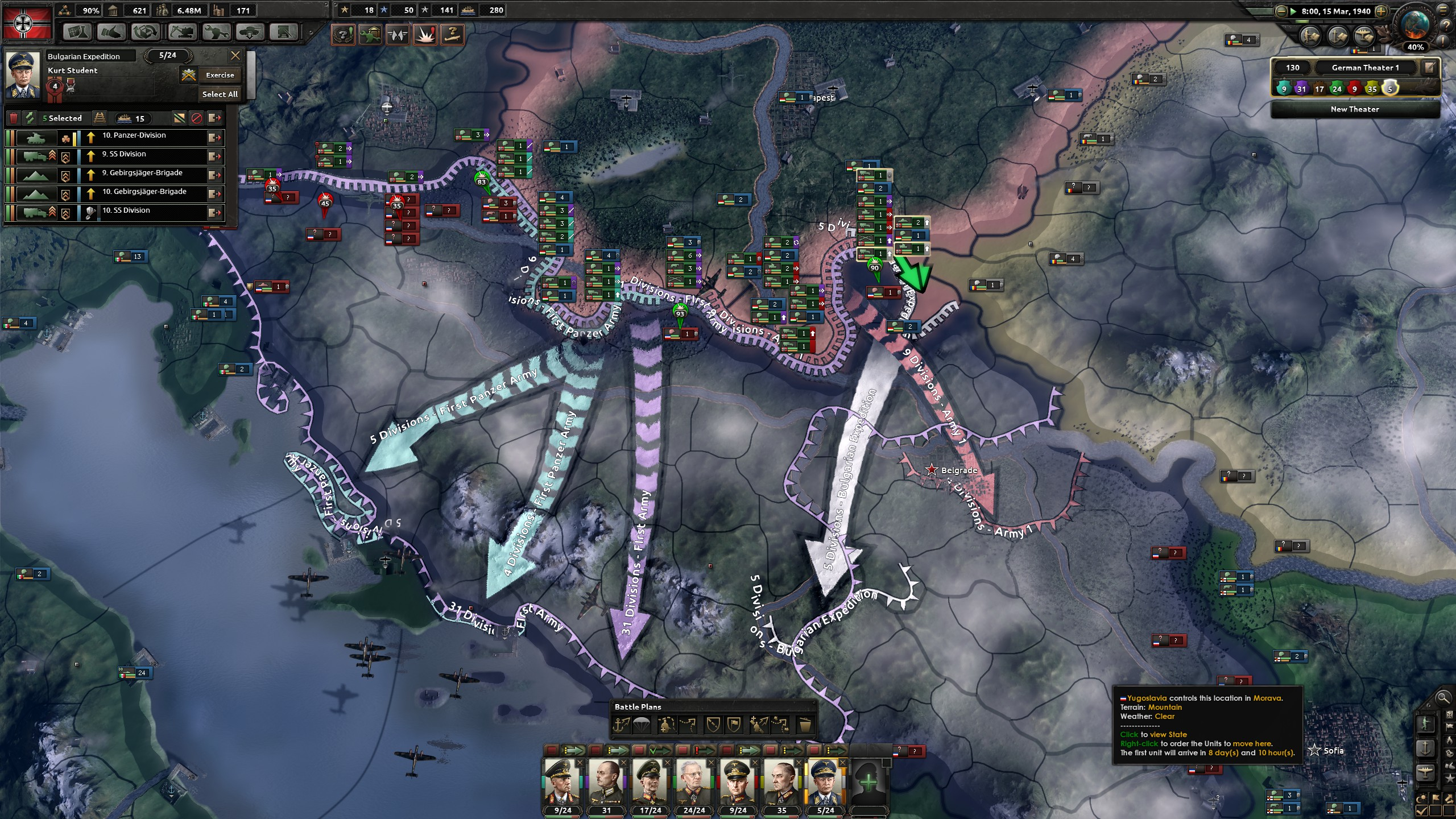
Combining gaming with adulting isn’t always easy, making your wetware memory a crucial component. If you played a great game two months ago, and now you must recall what it was about, you can easily forget important parts of the narrative, which button to press to do the special attack, etc.
Both complex and complicated memory problems are often of a related variety, where you need to remember the meaning of A before you can understand B. When you come back to a long-lasting TV show and you see a familiar face you can’t quite place, this is the same thing. Once your memory “clicks,” you’ll understand what the recurrence of this character means, but before then you’re probably stumped. The same is true for narrative elements and for synergies.

Skill Threshold
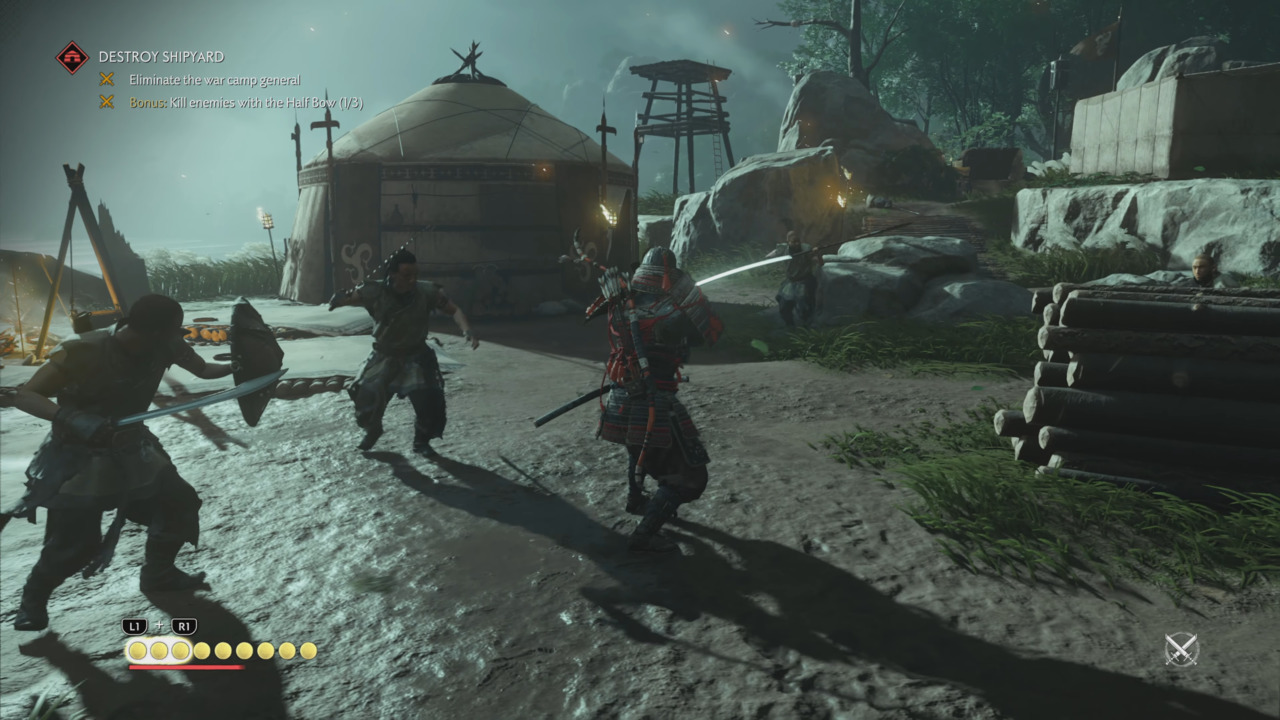
Another instance of wetware weakness is muscle memory. While playing through a game with many interconnected mechanics and button combinations, you may learn it, even internalise it, to the point that you can play it almost intuitively. Practice makes perfect, as the saying goes. But some players have a harder time with this than others, and where you may be one of the players who will instinctively say “git gud,” others will simply quit the game and never touch it again because button gymnastics is not why they play games.
Complicated skill thresholds will gatekeep elements of the game off your failure. Perhaps making it so you can’t proceed in the game until you’ve killed the next boss or used the new mechanic.
Complex skill thresholds will generally be because you haven’t realised how the game’s rules can be applied, and you need to learn it. Some players are “hardcoded” to find the right way to play, and will frustratingly lock themselves into trying it again and again rather than attempting something new. This is a good example of a complex skill threshold.
Genre Conventions
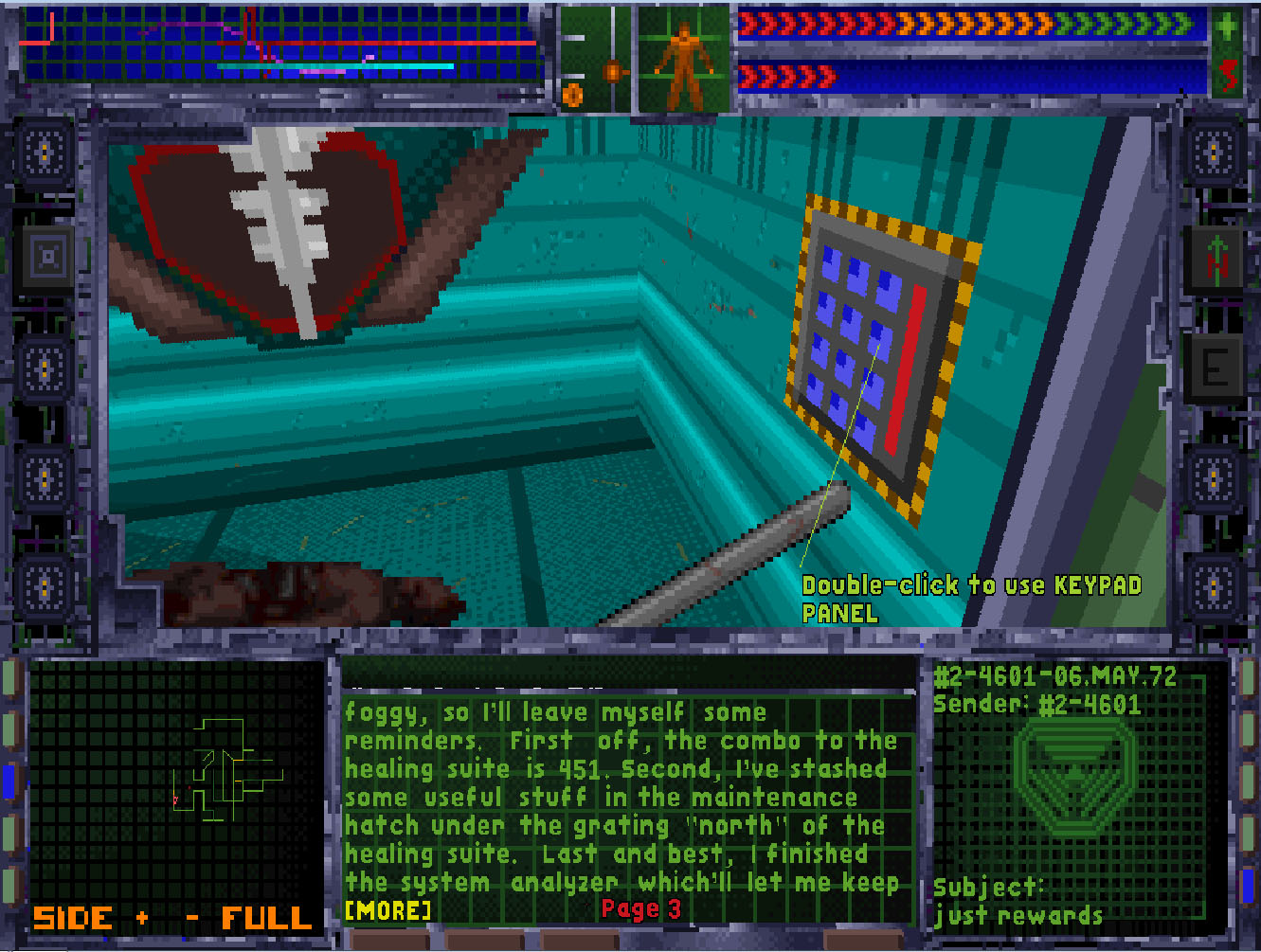
The systemic focus on this blog began in earnest with my three-part treatment of “immersive sims,” back in 2022. But the immersive sim is a very interesting case study, since its vagueness has led to countless labelling discussions.
This brings us to a kind of complexity that is maybe more disruptive than we usually admit: conventions. For most console gamers, using dual analogue sticks is second nature. But that doesn’t acknowledge the many hours of training you need to actually master it. Genre conventions are similar, in that they take a lot of time to internalise, and for people who haven’t internalised them they become tough obstacles to beat.
Conventions can be game-, genre-, or even developer-specific, and sometimes as game designers we’re not aware of them to the extent that we should be.
Exploring Player Agency
“Agency: The player can control their decisions and those decisions have consequences in the game world. (And hopefully, there’s enough information in the world to make said decisions.)”
Chris Siegel
The vague almost nonsensical definition of player agency that I personally prefer is that a game respects player intent. Why I like it is because it has fairly deep-rooted implications. It means the player must be able to form intent — they must know what’s possible and what’s not. It also means that the player is the driver of what happens, not the game.
Choices and Consequences
Choices and consequences (C&C from now on) were touted as a major game feature for a while, during BioWare’s Mass Effect heyday. C&Cs are the clearest, perhaps most fundamental, expression of player agency.
Bob Case, MrBtongue on Youtube, talked about two key types of C&Cs that directly map to the authorship-emergence scale: C&Cs for replayability or simulation.
Replayability C&C
“Complete Mordin’s loyalty mission and he’ll live through the game’s ending. Ignore it and he may die in a certain cutscene. This is intended to increase the game’s replayability, as in play the game again, make different choices, see a different ending. […] Why would Mordin’s hypothetical loyalty level make any difference in whether or not he happens to take a stray bullet?”
Bob Case
In today’s gamedev vernacular, replayability is often equated to seeing more content. Content is certainly the hallmark of replayability C&C, but let’s look at the contact point with player agency.
- Unique rewards. A common form for replayability C&C is to provide you with gameplay rewards that you can’t get any other way. A special weapon, a unique armor, or even just a chunk of virtual gold. For some achievers, this is enough to warrant a replay.
- Outcome response. You get some kind of feedback from the game based on the choice you make, and if you want to see another outcome you need to replay the level or even the whole game.
- Downstream effects. It’s quite common to tally the result of choices made during the game and make a difference at the end rather than throughout play. For example the Mass Effect 2 ending and how it’s affected by party loyalty, or a high/low chaos ending in Dishonored.
- Branching impact. If you decide to destroy the town of Megaton in Fallout 3, it won’t exist anymore. If you decide to kill a character, it stays dead and won’t show up in later scenes. Replayability C&C will usually be limited to few but very obvious choices like this.
Simulation C&C
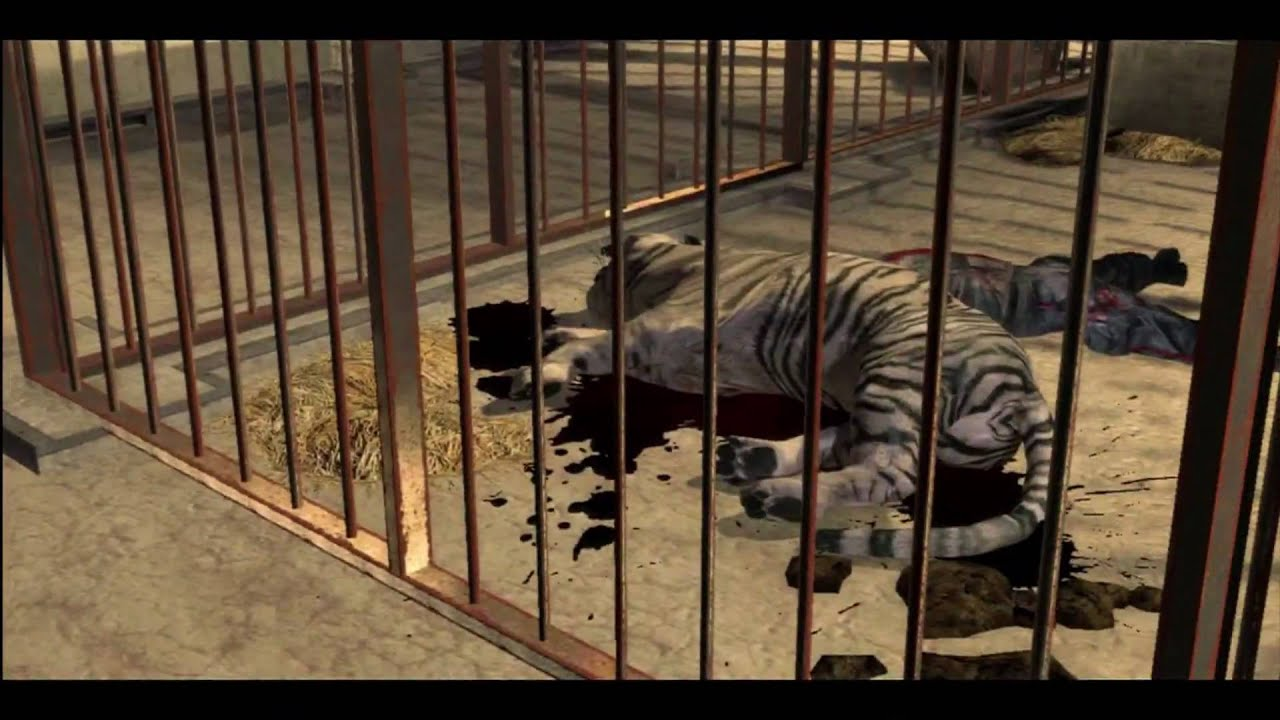
“You’re using game mechanics to attempt to make the game world behave as though it was a hypothetical real world. […] The first two Fallout games became classics largely because of the quality and reactivity of their settings. The world of Fallout seemed like a real place, because it reacted to the actions of the player in a realistic way.”
Bob Case
One of Bob Case’s examples of C&C in the first Fallout is that, if you talk about where you’re from, this can end up having your whole vault looted and destroyed. A consequence that makes intuitive sense in a cutthroat environment, but is never advertised as a choice. It just happens.
This is the kind of systemic player agency I personally like, and here are some of the things that can make it sing.
- Irrevocability. If you make the choice, you suffer the consequences. There are no reversals or revivals to be had: the result is irrevocable.
- Defiance. Allowing players to disregard instructions and then provide consequences for it. If you wait too long or if you make enemies with the wrong person. Can be good, can be bad, but it should make intuitive sense.
- Vandalism. Consciously breaking the game is the hardcore version of defiance. When you take a “what if?” to the edge and beyond.
- Optional. Choosing to exclude yourself from things you don’t care much about, say stealth, while focusing on things you do like, say combat. This is something that truly distinguishes games with high player agency from other games.
- Versatile. Often goes hand in hand with optionality, since versatility needs it. Versatility is about offering more than one solution to any given problem. Chris Crawford found it so essential to game design that he didn’t consider puzzles to be games.
“Fake” Agency
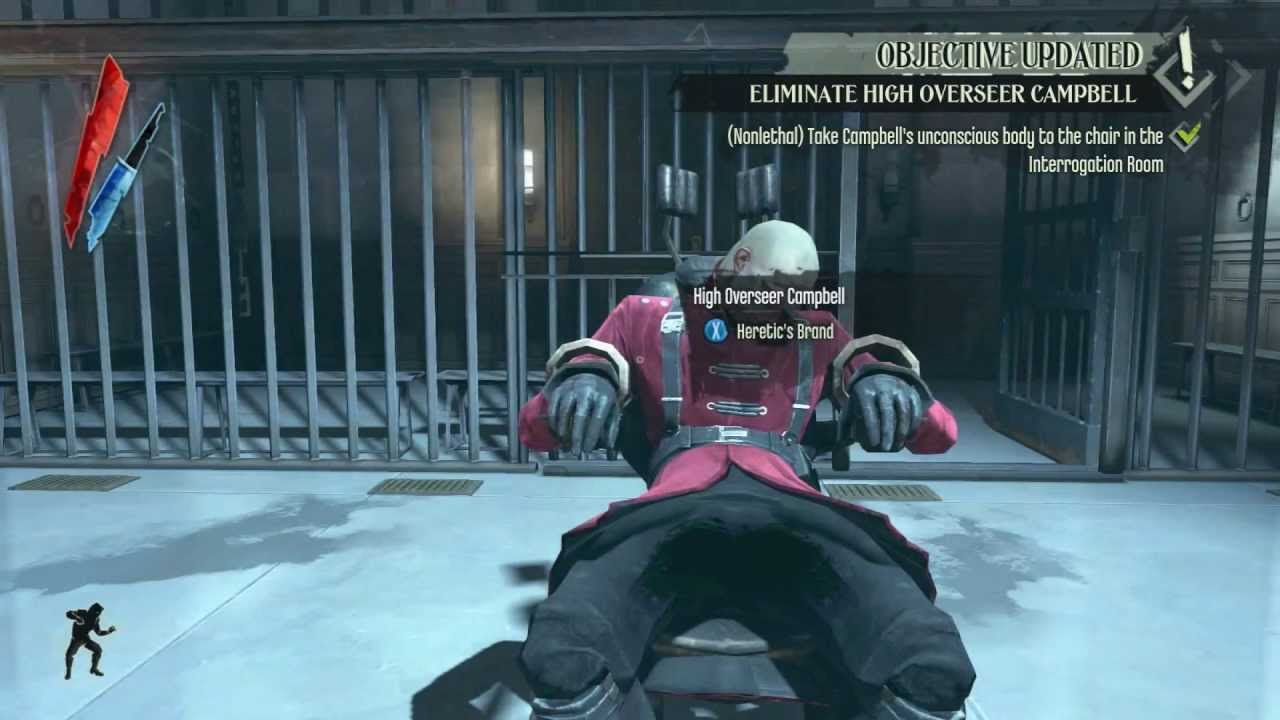
Many games offer high degrees of player agency using smoke and mirrors. Harvey Smith talked about Dishonored and the assassination of High Overseer Campbell, going into some detail on how all of it was constructed through level design and scripting. You have many options and you may feel that you’re outsmarting the game’s developers, but all of those options were carefully staged. Effectively, Dishonored is far to the left of the Content – Experience scale.
This is great! That assassination is one of the most iconic moments in the Dishonored franchise. You don’t have to make everything actually systemic to create a systemic experience. The only thing that’s unfortunate with a content-driven setup is that it’s directly content-limited — you will never offer more variety than you have the content production capability to produce.
Gameplay Loops
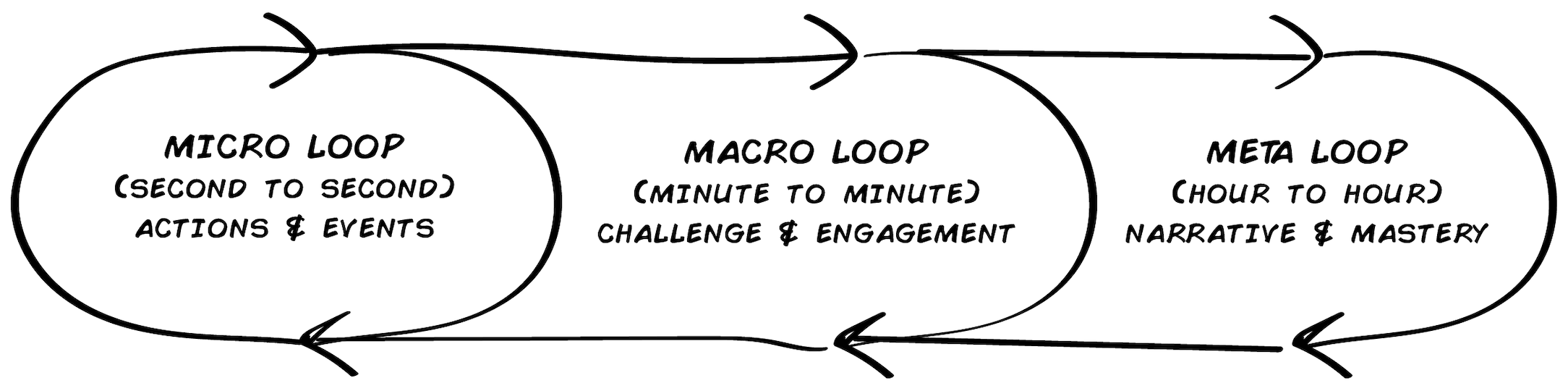
To contextualise our gaze into the player agency abyss, we’ll look at the three main “loops” most games can be said to have: Micro, Macro, Meta. These represent the second-to-second, minute-to-minute, and hour-to-hour interactions you have with the game.
Agency means very different things in different loops, and as you can hopefully see, its implications vary.
Micro Agency
Most video games have micro agency: choose which action to use, where to go, how quickly to proceed, and which events to prioritise. Consequences for failure are usually transactional in nature, where you lose a few points of health or need to spend in-game coin if you fail.
Games that have low micro agency will stop until you perform the right action. Games with high micro agency will allow you to progress at your own pace.
Macro Agency
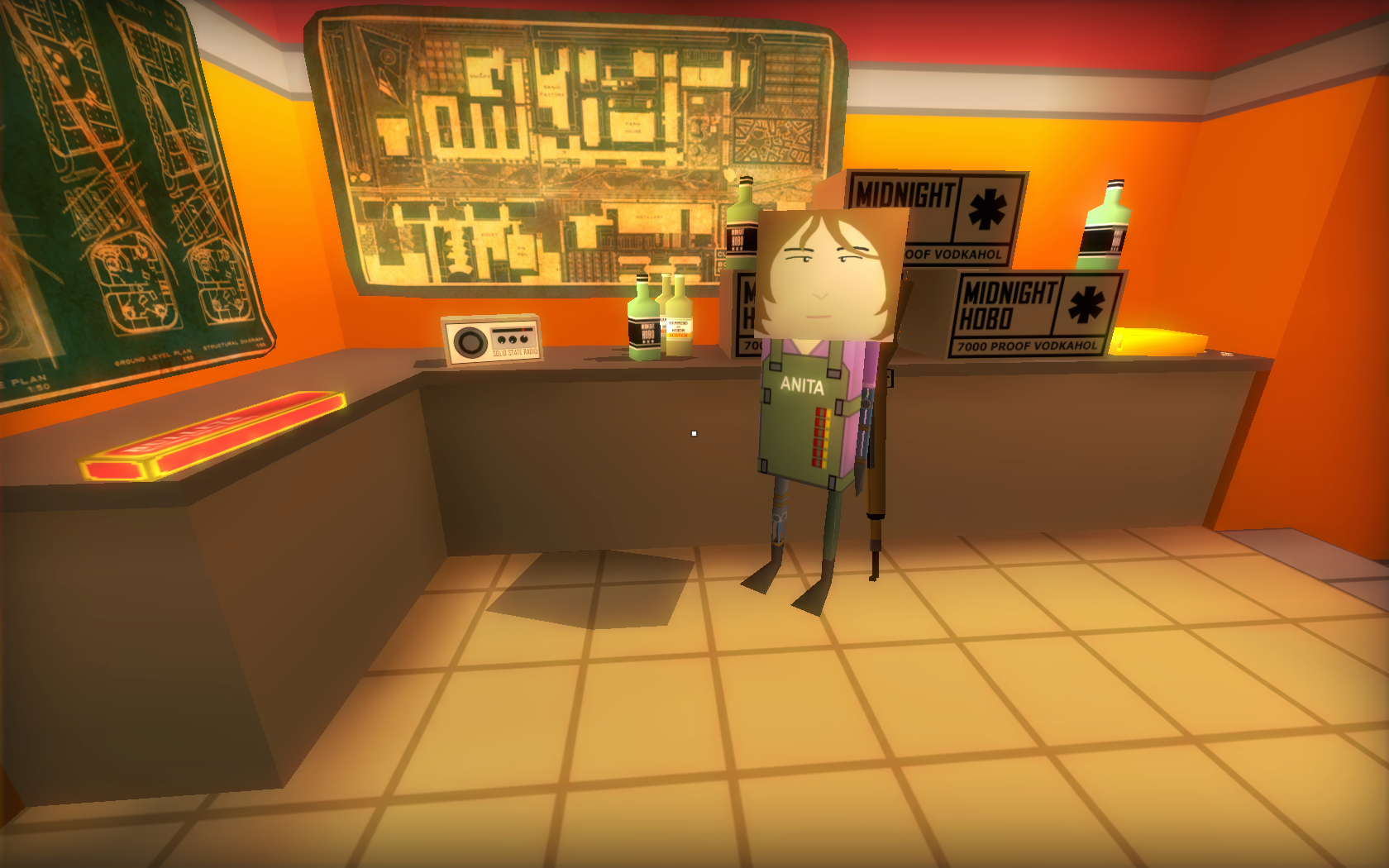
Macro agency is about being able to choose where to go. Consequences for failure are almost exclusively a cost in time. Watch the loading screen, walk back to your dead body, climb up from your missed jumping challenge, or try the dialogue tree a second time.
Games with low macro agency will force checkpoint reloads if you make the wrong choice. Games with high macro agency will let you choose which missions to pick and which ones to abandon.
Meta Agency
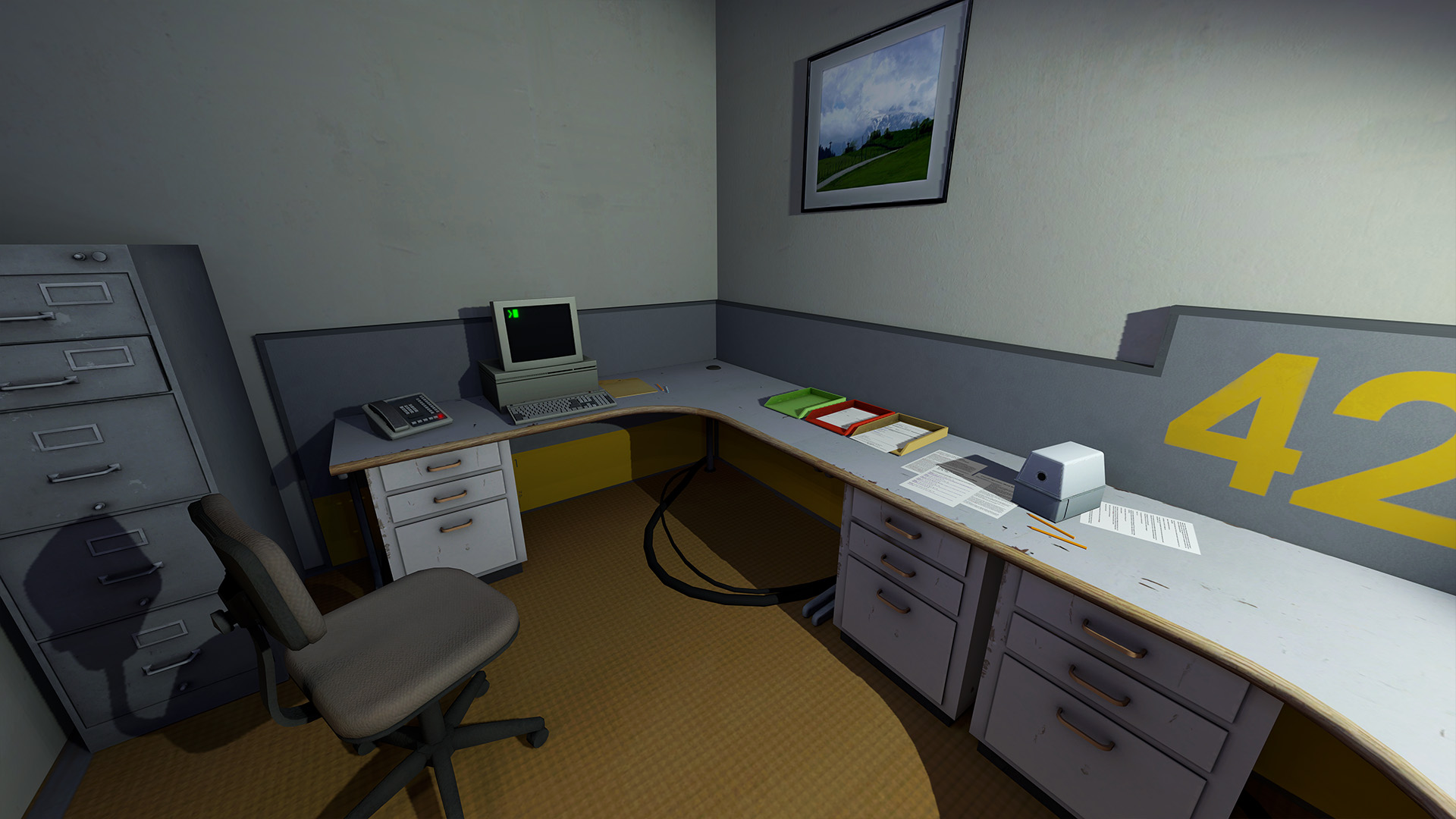
Meta agency is less common, since it’s the layer where most modern games will lean into linearity, and where production is most expensive. Allowing the player to alter a story’s outcome, to turn into a villain, or to explore character builds that were never quite intended to be played in the ways you play them. Consequences for failure at this layer may mean the end of the game, or that you need to start from scratch with a new character.
Games with low meta agency will force you into a linear story or community-enforced meta. Games with high meta agency will let you kill the princess and save the dragon (one of my favorite examples), or discover new metas even deep into the game’s life cycle.
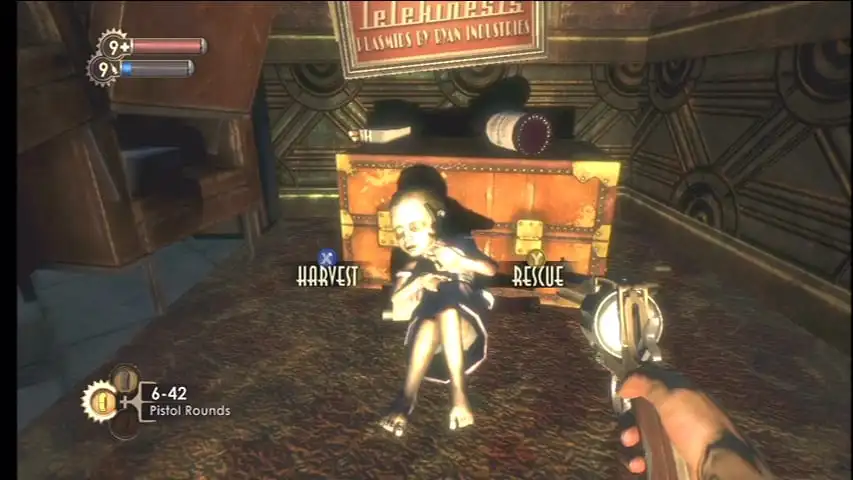
Complexity, Meet Player Agency
“I wanted the player to play the game enough so that they could intuit the health of their ecosystem and understand how to approach it moving forward. But players generally don’t do that. That’s not how they start. They start by using their own intuition not the game’s intuition.”
Andy Schatz
Think back to the point on internalising consistent elements. There are some things that almost always hold true in games, that most of us have to learn the hard way:
- Players don’t read text.
- Players don’t play the way we think.
What this effectively means is both that Andy Schatz’ point on intuition, above, and the idea that consistent elements can be internalised are directly related. To put it another way, we can’t know with certainty what the player’s intent will be. Because of this, we can only provide more player agency by covering enough ground with our simulation.
The Systemic Implication
Simulation is a scary word. Many times when I’ve lectured on systemic design, the interpretation has been that everything must be possible, or the idea of emergence isn’t real. This is what makes it too complicated for realistic implementation, seems to be the implication.
But this is not true. High degree of emergence leads to a complex game, yes. But though emergence is complexity, it doesn’t have to be complicated. As has been covered in previous posts, all you really need is a strong mental model and a good understanding of the state-space needed to represent it.
No one thinks L.A. Noire lacks agency because you can’t use your gun at any time. No one thinks Thief: The Dark Project lacks agency because you can’t cook an omelette between thefts. Remember: permissions, restrictions, and conditions. If we can find rules that fit the mental model, we can never go wrong.

Emergence = Complexity
“If people compare our combat to Half-Life, we’re dead; if they compare us to Thief’s stealth, we’re dead; if they compare our RPG elements to BioWare’s latest, we’re dead. But if they get that they can decide how to play, to do any of those they want, we might rule the world.”
Warren Spector
It’s fine if you don’t simulate everything to be able to create your systemic game. You’re not expected to. What’s important is that you understand what choices the player will want to make and that you nudge them in that direction. Just don’t require them to listen to your nudges if they don’t want to.


3 thoughts on “Complexity and Player Agency”